Stress and Cravings on Keto: A Calm Way Through the Hard Evenings


It is nine in the evening. The day was long, something at work is still sitting on your chest, and you find yourself in front of the open fridge without quite remembering how you got there. You are not really hungry. You just want something.
If this sounds familiar, I would like to say one thing before anything else: there is nothing wrong with you. Reaching for food when life feels heavy is one of the most human things there is.
This guide looks at what may be happening in the body when stress meets appetite, how to tell a craving from hunger, and a few quiet habits that can make those evenings softer. It is not about willpower.
Key takeaways
- Ongoing stress can raise appetite and pull us toward sweet, rich foods. That is biology, not weakness.
- A craving and physical hunger feel different. Learning to notice the difference is the most useful skill here.
- A short pause, a glass of water and a few slow breaths often change what you want next.
- Regular meals, enough salt and fluids, and decent sleep lower the pressure before the evening arrives.
- If eating feels out of control or stress is constant, that deserves real support from a doctor or therapist.
What stress does to appetite
Short stress and long stress
According to Harvard Health, a short burst of stress tends to switch appetite off for a while. The body is busy with other things. When stress goes on for days or weeks, the picture changes. The hormone cortisol stays higher, and cortisol can increase appetite and the motivation to eat.
Stress also seems to shape what we want. Harvard notes that distress is linked with eating more foods high in fat, sugar or both, although much of that research was done in animals. So the evidence in people is still limited, and the effect is not the same for everyone.
Comfort is real
Rich, sweet foods do appear to calm the stress response for a short time. This is why they are called comfort foods. The comfort is real. It just does not last long, and the thing that caused the stress is still there afterwards.
The Cleveland Clinic describes emotional eating as a very normal way of coping with strong feelings. I find that framing helpful. You are not fighting a flaw. You are noticing a habit.
Why the first weeks of keto can feel louder
When you change how you eat, familiar comforts move further away, and that alone can feel stressful. In the first weeks there may also be tiredness, poor sleep or a headache, and all of those make cravings louder.
Sometimes what feels like a craving is partly thirst or low salt. Our beginner's guide to electrolytes explains that side gently.
Is it hunger or a craving?
Neither one is wrong. They simply ask for different answers. This table is a rough guide, not a test.
| What you notice | More like physical hunger | More like a stress craving |
|---|---|---|
| How it starts | Builds slowly over an hour or two | Arrives suddenly |
| What you want | Many foods sound good | One specific thing |
| Where you feel it | Stomach, low energy | Mouth, chest, head |
| Timing | A few hours after the last meal | After a hard moment, often in the evening |
| After eating | Satisfied and settled | Still looking for something |
| If you wait twenty minutes | Gets stronger | Often fades or changes |
If it is hunger, eat. A real meal, sitting down. A lot of evening cravings are simply a lunch that was too small.
The pause: a five-minute practice
When the urge arrives, you do not have to say no. You only have to say "in a moment". Here is the practice I come back to most.
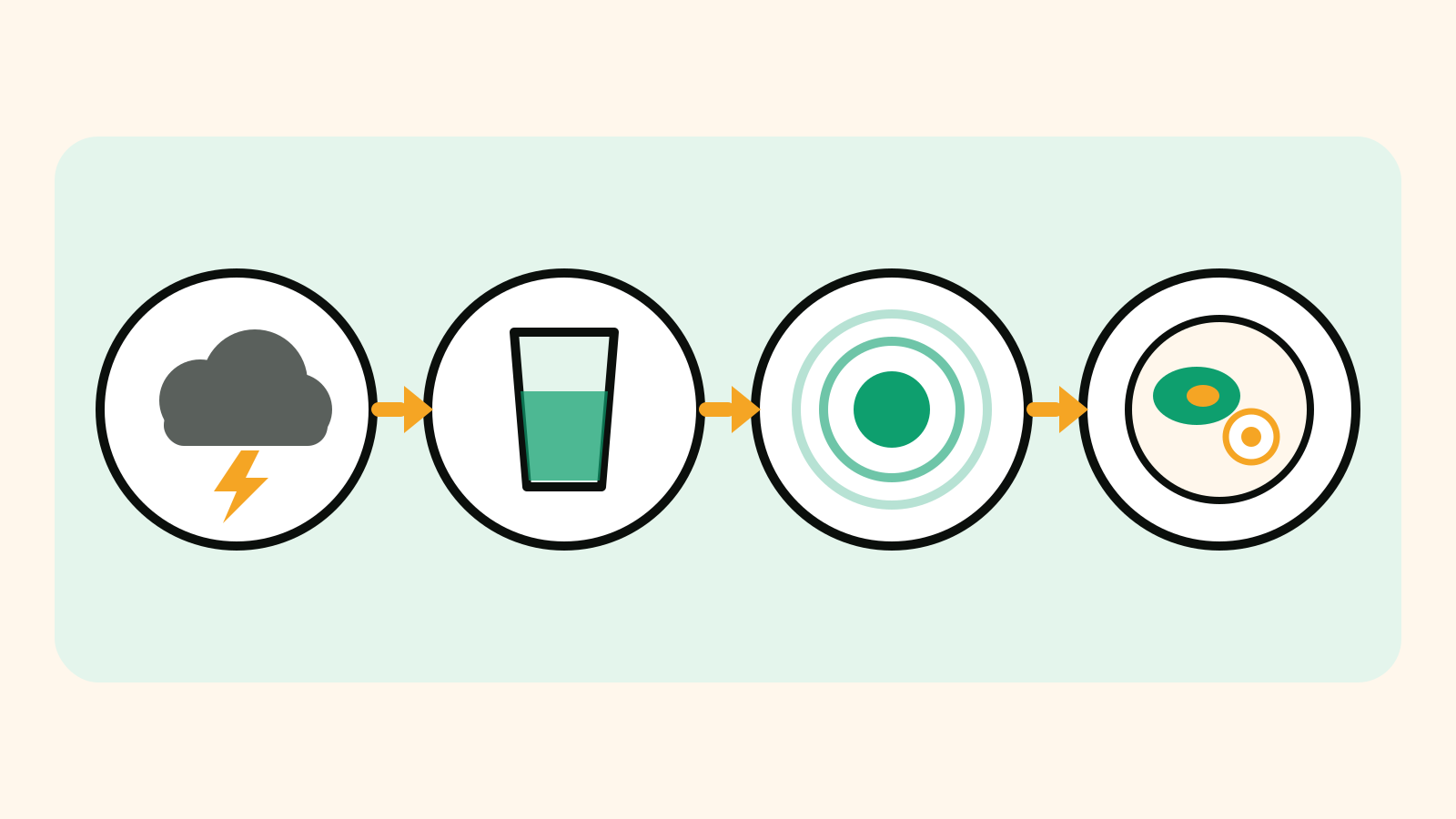
- Name it. Say quietly, "this is stress" or "I am tired". Naming a feeling often takes some of its force away.
- Drink a glass of water or make a warm tea. It gives your hands something to do and your body something it may need.
- Breathe slowly for one minute. In through the nose for a count of four, out for a count of six. Five or six rounds.
- Ask one question: what do I need right now? Food, rest, company, a break, fresh air? Sometimes the honest answer is food.
- Choose on purpose. If you eat, put it on a plate, sit down and enjoy it. If you need something else, give yourself that.
- Let it go. Whatever you chose, the moment is over. No keeping score.
Foods that comfort and still fit
Sometimes you do want to eat something, and that is fine. It helps to have a few options at home that feel like a treat and sit comfortably in a keto day. Values are approximate; check the label of what you buy.
| Something small | Approx. net carbs | Why it works |
|---|---|---|
| A handful of olives (about 10) | 1 g | Salty, slow to eat |
| Almonds or walnuts (30 g) | 2-3 g | Crunchy and filling |
| A cup of warm broth | 0-2 g | Warm, salty, soothing |
| Cucumber sticks with a spoon of tahini | 2-3 g | Fresh and creamy together |
| Full-fat plain yogurt (100 g) with cinnamon | 4-5 g | Soft and a little sweet |
| A hard-boiled egg with salt | Under 1 g | Simple and satisfying |
| Two squares of dark chocolate (85%) | 3-4 g | When only chocolate will do |
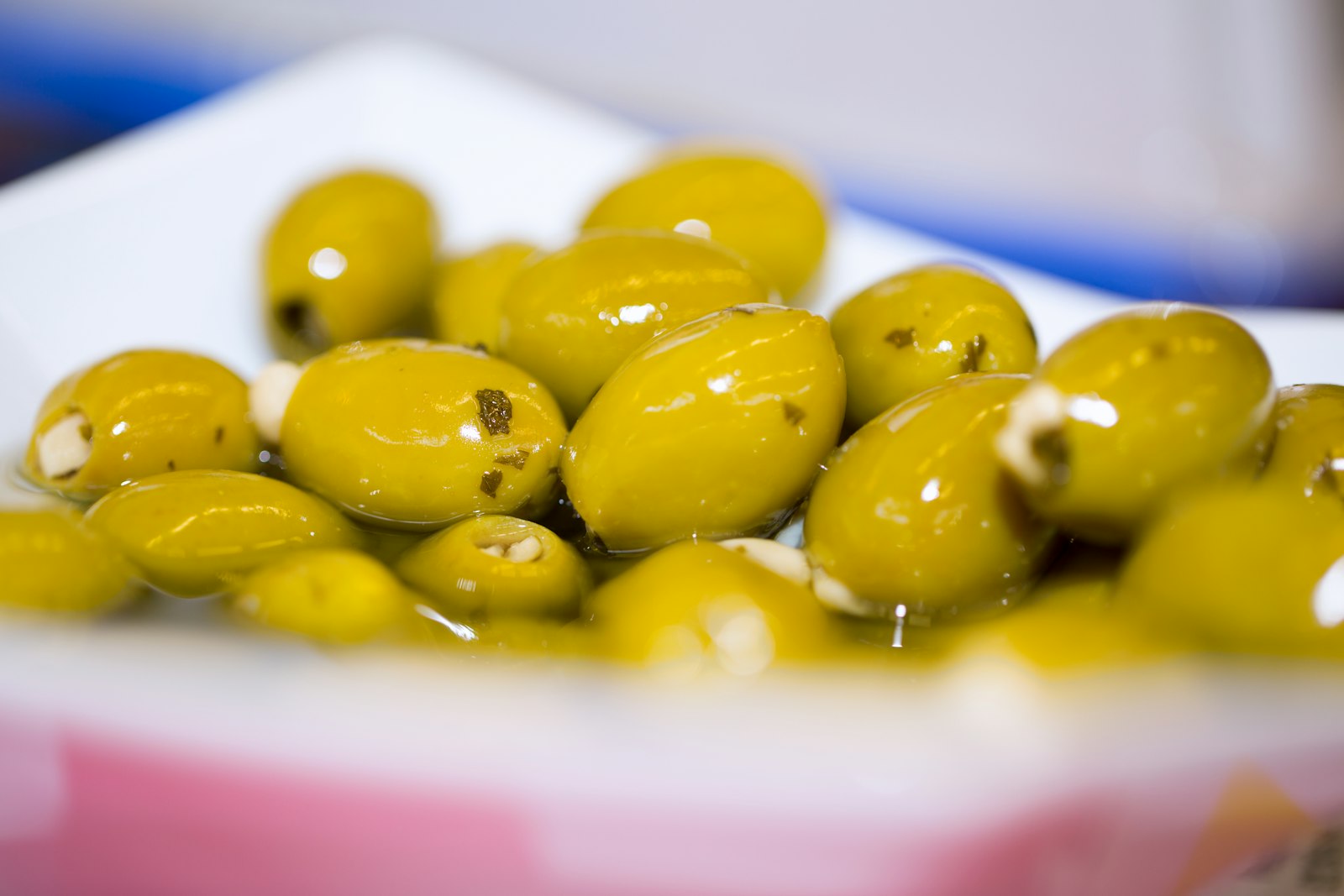
Put it in a small bowl and sit down with it. Eating from the packet, standing in the kitchen, rarely feels like comfort afterwards.
Lower the pressure before evening comes
Cravings are louder when the day has already worn you down. A few gentle habits earlier on can make the evening quieter.
- Eat proper meals. Protein, vegetables and fat at each one. Skipping lunch on a stressful day usually sends the bill at night.
- Drink through the day and salt your food to taste. Especially in the first weeks.
- Protect your sleep. A tired brain looks for quick comfort. Our guide to sleep and intermittent fasting has ideas for calmer evenings.
- Move a little. A ten-minute walk after work marks the end of the day better than a snack does.
- Plan one small pleasure that is not food. A shower, music, a call with a friend, ten pages of a book.
None of this needs to be perfect. Pick one and try it for a week.
When stress eating deserves more support
It is also worth seeing a doctor if stress comes with poor sleep for weeks, a racing heart, or changes in appetite that worry you. These are not things to manage alone with a food plan.
FAQ
Does keto reduce cravings?
Some people report fewer sweet cravings after the first weeks, but evidence is limited and experiences differ. Stress cravings can appear on any way of eating.
Is it bad to eat when I am stressed?
No. It is a common, human way to cope. The aim is simply to have other options too, and to choose on purpose when you can.
What if I ate something off plan during a hard evening?
Nothing needs fixing. Have your next meal as usual, drink some water and be kind to yourself.
Does drinking water really help with a craving?
Sometimes. Thirst can feel like hunger, and the short pause gives you a moment to notice what you need.
Should I keep sweets out of the house?
Some people find that easier, others do not. Try keeping options you enjoy that fit your day, and see what feels calmer for you.
Sources
www.health.harvard.eduwww.health.harvard.edu health.clevelandclinic.orghealth.clevelandclinic.orgThis article is general information and not medical advice. If you have a medical condition, are pregnant or breastfeeding, or take medication, ask your doctor before changing your diet.
This article is general information, not medical advice. Talk to your doctor before changing how you eat or fast, especially if you have a medical condition, are pregnant or take medication.
 By Remy Carmel