One Meal a Day on Keto: Is OMAD Right for You?

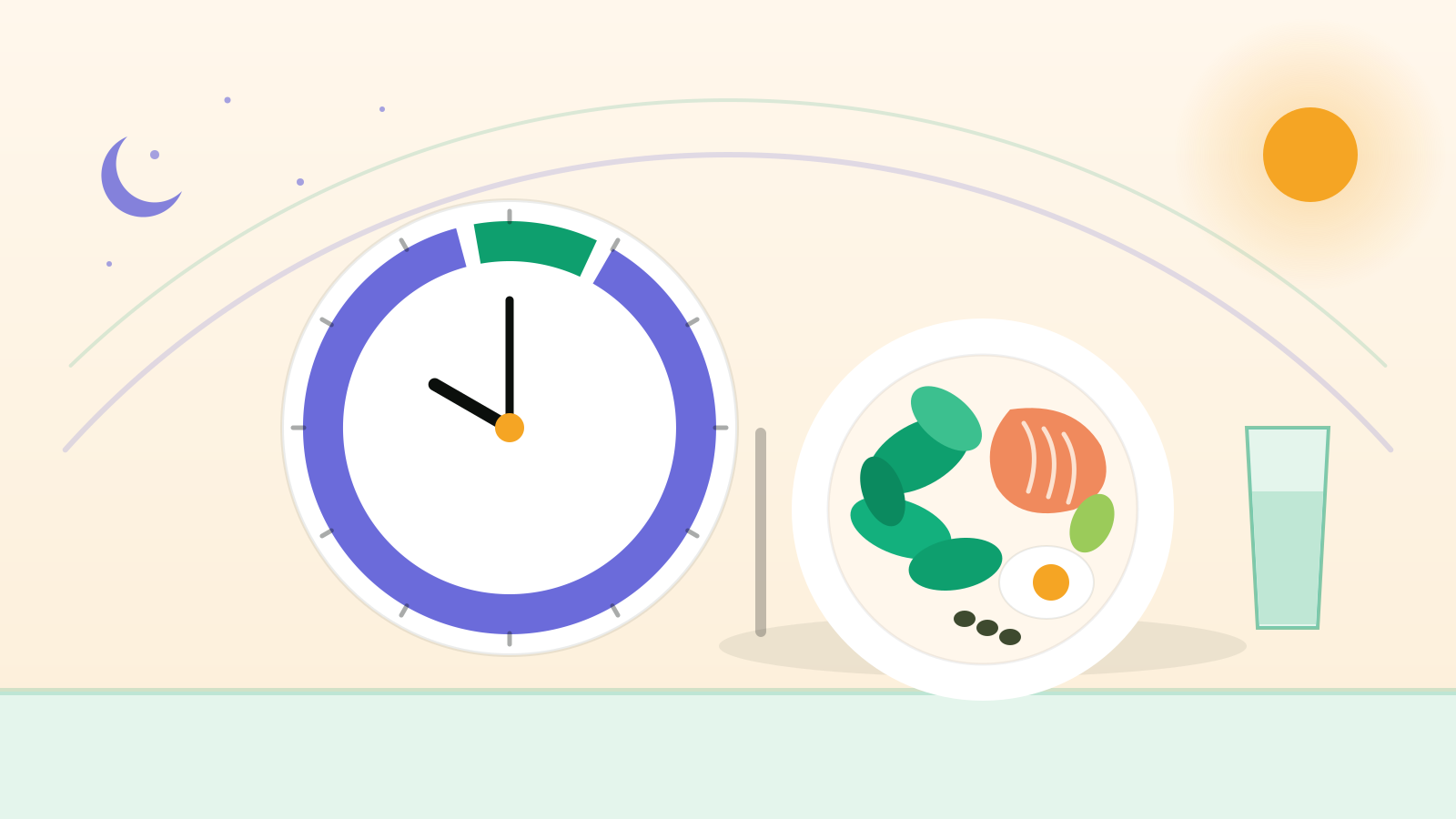
Somewhere along your fasting journey, someone will tell you about one meal a day. A friend swears by it, a video makes it look effortless, and suddenly 16:8 feels like the beginner level you should have outgrown.
Here is the honest version. One meal a day, often called OMAD, is a much bigger step than it sounds. It can suit a small group of people who already fast comfortably, and it is a poor fit for many others. Both of those are completely fine outcomes.
This guide helps you decide calmly. We will look at what OMAD actually involves, who should skip it, how to trial it gently if you are curious, and why stepping back to 16:8 is a smart move, not a defeat.
Key takeaways
- OMAD means eating once a day, with a fast of roughly 23 hours. That is a long way past the 16:8 ladder most people start with.
- Research on OMAD itself is limited. Most fasting studies look at shorter eating windows, so treat any big promises with care.
- Build a solid base first: weeks of 16:8 that feel easy, a settled keto routine, and good hydration.
- If you try it, make it one or two days a week, not every day, and keep the meal complete: protein, vegetables and fats.
- Some people should not try OMAD without a doctor, and anyone who feels unwell during a fast should simply eat.
What OMAD really means
The name says it all. You eat one meal, usually within about an hour, and you do not eat for the rest of the day. Drinks without calories, like water, black coffee and plain tea, fill the gap.
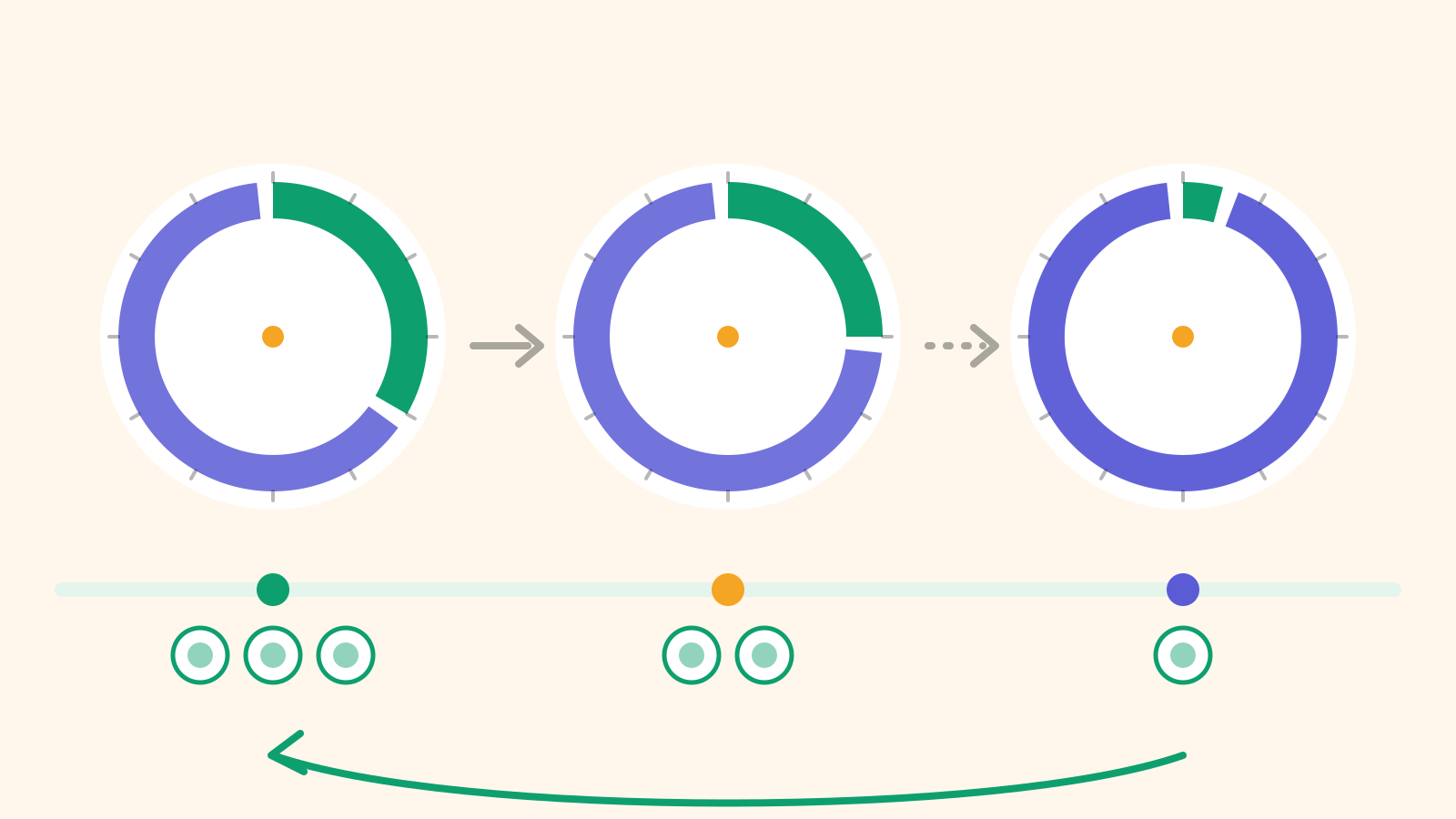
That makes OMAD very different from the rhythms in our step-by-step fasting ladder, which moves from 12:12 to 14:10 and stops at 16:8 on purpose. Those plans keep two or three meals inside a window. OMAD squeezes a whole day of eating into one sitting.
| Rhythm | Fasting hours | Eating window | Meals | Who it may suit | Main caution |
|---|---|---|---|---|---|
| 16:8 | 16 | 8 hours | 2 to 3 | Most healthy adults already comfortable on 14:10 | Eat enough in the window |
| 18:6 | 18 | 6 hours | 2 | People who find 16:8 easy for several weeks | Morning hunger, lower energy at first |
| OMAD (about 23:1) | About 23 | About 1 hour | 1 | A few experienced fasters, on some days only | Hard to eat enough protein and nutrients in one sitting |
What the research says, carefully
Harvard Health describes time-restricted eating as a way to spend more of the day in a fasted state. It also points out that, when people eat the same total amount, a shorter window on its own does not seem to make much difference to weight. Quantity and quality of food still matter a lot.
Cleveland Clinic notes that 16:8 or 14:10 is the safer starting point for most people, and that very long fasts are approached with caution because research is thin and side effects like tiredness, headaches and irritability are more likely.
So the fair summary is this: OMAD is an option some people like, not a proven upgrade.
Why keto can make longer gaps feel easier
Many people on keto notice that hunger feels steadier. Meals built on protein, fat and vegetables tend to keep you full, and once your body is used to running on fat, the morning slump after a sweet breakfast often fades.
That can make a long gap between meals feel surprisingly calm on some days. It is a nice side effect, not a goal to chase. Feeling fine for 16 hours does not mean your body needs 23. If OMAD never appeals to you, you are not missing a level.
Who should skip OMAD or talk to a doctor first
A few other moments call for a pause too:
- You are new to keto and still in the first few weeks.
- You are ill, sleeping badly or going through a very stressful stretch.
- You train hard most days and need fuel around your sessions.
- Fasting starts to feel like a test of willpower, or you notice you think about food all day.
None of these are failures. They are simply signs that a gentler rhythm will serve you better right now.
How to trial OMAD gently
If you are healthy, have been on keto for a while, and 16:8 has felt easy for several weeks, you can try a careful trial. Think of it as an experiment with a clear end, not a new identity.
- Check your base. You should be comfortable on 16:8 on most days for at least three to four weeks, sleeping well and not fighting hunger.
- Try 18:6 first. Spend a week or two moving your first meal a little later on a few days. If that feels hard, stop here. 18:6 or 16:8 is a great home base.
- Pick one easy day. Choose a quiet day without heavy training or a big family event. Plan your meal for a time you can sit down and enjoy it.
- Hydrate through the day. Drink water regularly, keep salt in your cooking, and include foods rich in potassium and magnesium, like leafy greens and avocado.
- Eat one complete meal. Protein first, a generous serving of vegetables, and fats you enjoy. Do not rush it.
- Check in the next morning. How did you sleep? How is your energy and mood? Write a sentence or two.
- Repeat at most once or twice that week. Keep 16:8 on the other days. After the trial week, decide honestly whether OMAD adds anything to your life.
What one complete meal looks like
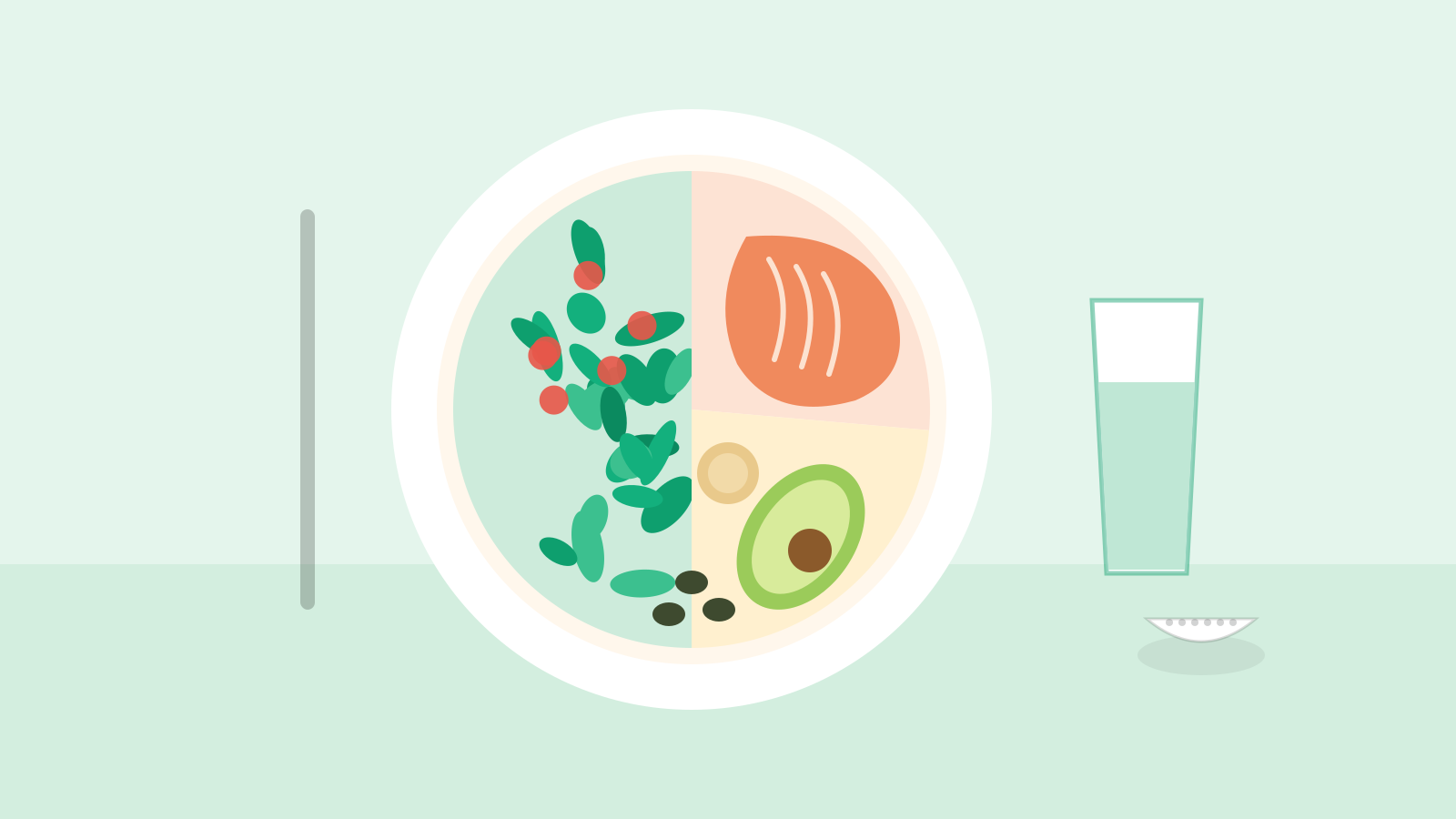
The biggest risk with OMAD is simply not eating enough. One meal has to do the work of two or three, and that is harder than it looks.
- Protein: a generous portion of salmon, chicken thighs, eggs, beef, cottage cheese or tofu.
- Vegetables: a big salad plus a cooked side, like roasted zucchini or cauliflower.
- Fats: olive oil, tahini, avocado, olives or a little cheese.
If you finish the meal still hungry, or you wake up the next day very hungry, that is useful information. Eat, and step back to a longer window.
A gentle sample week
This is what a careful trial week might look like for someone who already lives comfortably on 16:8. Notice that most days are not OMAD at all.
| Day | Rhythm | Note |
|---|---|---|
| Sunday | 16:8 | Usual routine |
| Monday | 16:8 | Usual routine |
| Tuesday | 18:6 | First meal a little later |
| Wednesday | OMAD trial | Quiet day, one complete dinner |
| Thursday | 16:8 | Check in: sleep, energy, mood |
| Friday | 14:10 | Family dinner, relaxed and unhurried |
| Saturday | 16:8 or OMAD | Only if Wednesday felt good |
Friday is there on purpose. Shared meals matter, and a long, warm dinner with the people you love is part of a healthy routine. Fasting should fit around your life, not the other way round. If you want to protect your evenings and your sleep, our guide to sleep and intermittent fasting has a few easy ideas.
When to step back
Step back to 16:8 or 14:10 if you notice any of these:
- Poor sleep, low mood or irritability.
- Dizziness, headaches or feeling cold and drained.
- Thinking about food most of the day, or eating far past fullness at your meal.
- Your workouts, work or family time are suffering.
Stepping back is not losing progress. It is listening to your body, and that is the skill that makes any routine last. Celebrate the small wins: a calm week of 16:8, a well-built plate, a morning where you noticed hunger and let it pass.
FAQ
Is OMAD the same as a 24-hour fast?
Not quite. With OMAD you eat once every day, so the fast is about 23 hours. A 24-hour fast usually means skipping food for a full day, which is a different and more demanding practice.
Can I do OMAD every day?
We do not suggest it. Eating enough protein and nutrients in one sitting every day is hard, and research on daily OMAD is limited. One or two days a week, after a solid base, is plenty for a trial.
What can I drink during the fast?
Water, sparkling water, black coffee and plain unsweetened tea. Anything with milk, sugar or calories counts as food.
Will OMAD speed up my results?
There is no good evidence that it does. A shorter window does not seem to beat a balanced keto routine you can keep, so choose the rhythm that feels calm and sustainable.
What should I do if I feel unwell?
Eat a proper meal, drink some water, and return to a shorter fast next time. If symptoms keep coming back, talk to your doctor.
Sources
www.health.harvard.eduwww.health.harvard.edu health.clevelandclinic.orghealth.clevelandclinic.orgThis article is general information and not medical advice. If you have a medical condition, are pregnant or breastfeeding, or take medication, ask your doctor before you try a longer fast or change your diet.
This article is general information, not medical advice. Talk to your doctor before changing how you eat or fast, especially if you have a medical condition, are pregnant or take medication.

 By Luna Hayes