Electrolytes on Keto: A Friendly Beginner's Guide
Why electrolytes come up so often on keto
If you have spent any time reading about keto, you have probably seen the word "electrolytes" again and again. There is a good reason. When you cut back on carbohydrates, your body tends to hold less water, and some minerals leave along with that water. Many people notice this most in the first week or two.
Electrolytes are minerals that carry an electric charge in the body. The three that come up most on keto are sodium, potassium and magnesium. They help with things like fluid balance, muscle function and nerve signals. You do not need to become a chemist to manage them well. A few simple habits go a long way.
How it can feel when you are running low
Some people start keto and feel great from day one. Others go through a rough patch that is often called the "keto flu." It is not an actual flu, and it usually passes, but it can be uncomfortable. Commonly reported feelings include:
- Headaches or a foggy, tired feeling
- Muscle cramps, especially at night
- Feeling lightheaded when you stand up quickly
- Low energy during workouts
- Feeling irritable or low on patience
These feelings can have many causes, and everyone is different. If they are strong, or they do not ease after a few days, check in with a health professional instead of guessing.
Sodium: the one people forget
Many of us grew up hearing that salt should be kept to a minimum. On keto, the picture often changes, because a lot of everyday salt used to come from bread, crackers and processed snacks. When those leave your plate, your salt intake can drop without you noticing.
Simple ways to include sodium:
- Salt your food to taste when you cook
- Sip a warm cup of broth, especially in the afternoon
- Add olives, pickles or salted fish to meals
- Choose salted nuts over plain ones now and then
If you have high blood pressure, heart or kidney issues, or you have been told to limit salt, talk to your doctor before you change your salt intake.
Potassium: found in lots of keto-friendly plants
Potassium is found in many low-carb foods, which is good news. The trick is to actually eat enough of them. Leafy greens and other vegetables are your best friends here.
Good low-carb sources of potassium include:
- Avocado
- Spinach, Swiss chard and other leafy greens
- Zucchini and mushrooms
- Salmon and other fish
- Plain yogurt, if it fits your carb budget
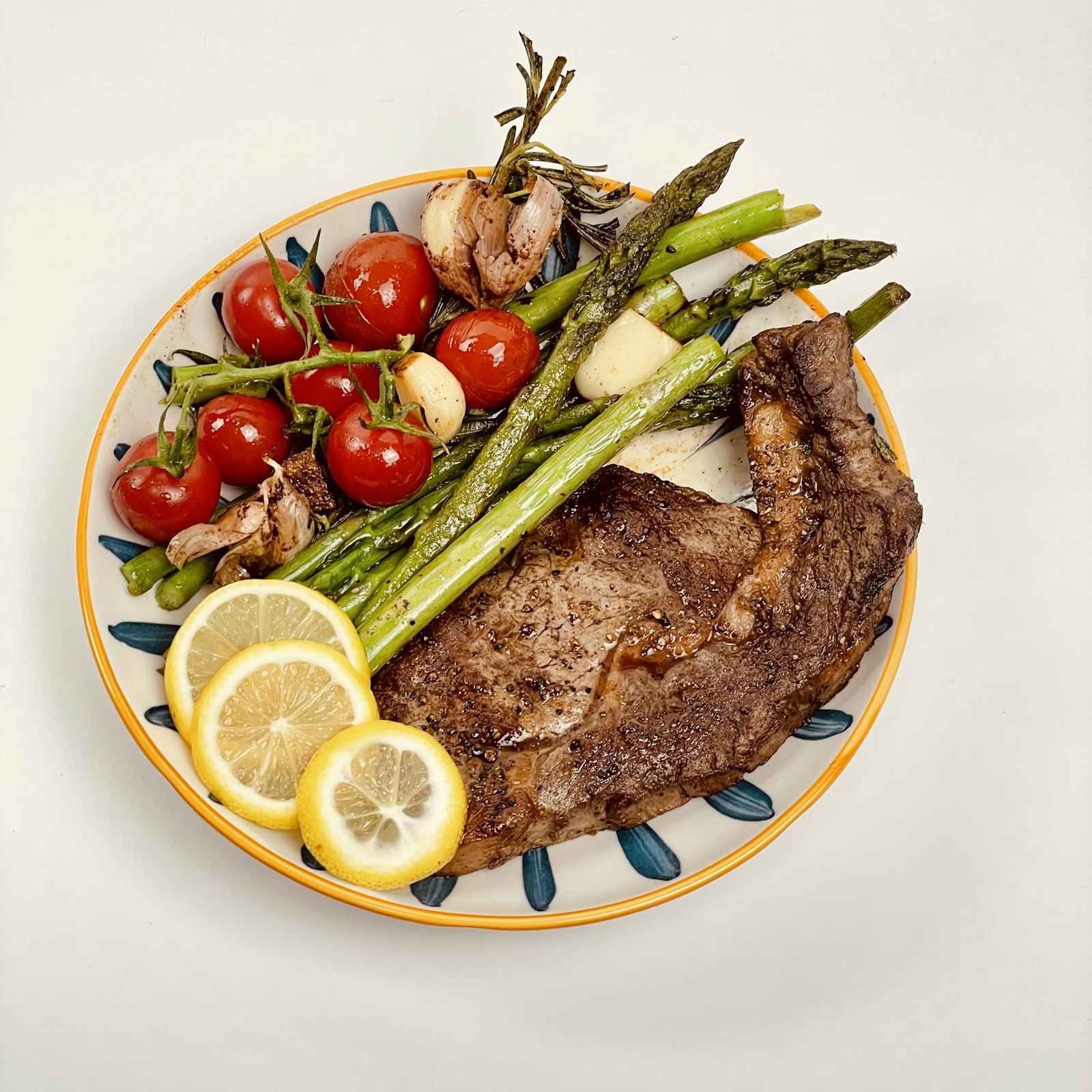
A big salad with avocado, a side of sautéed greens, or a portion of baked fish can all help. Be careful with potassium supplements. They are not right for everyone, and it is best to use them only with guidance from your doctor.
Magnesium: small mineral, big role
Magnesium supports hundreds of processes in the body, and many people do not get much of it even before keto. It is often linked with muscle relaxation, which is why people who get cramps tend to ask about it.
Keto-friendly foods with magnesium include:
- Pumpkin seeds and almonds
- Dark leafy greens
- Avocado
- Dark chocolate with a high cocoa percentage, in small amounts
- Fish such as mackerel
Some people choose a magnesium supplement. There are several forms, and they can act differently in the body. A pharmacist or doctor can help you pick one that suits you.
Don't forget water
Electrolytes and water work as a team. Drinking only plain water while your salt intake is very low may leave you feeling worse, not better. At the same time, being thirsty all day will not help either.
A few easy habits:
- Keep a water bottle within reach
- Drink when you are thirsty, and a little more in hot weather or after exercise
- Pair your water with salty foods or broth, rather than drinking huge amounts on its own
Your needs will depend on your body, your activity and the climate you live in, so treat any general advice as a starting point.
A simple daily routine to try
You do not need a complicated plan. Here is a gentle example day that covers the basics:
- Breakfast: eggs cooked in olive oil, with sautéed spinach and a pinch of salt
- Lunch: a large salad with avocado, pumpkin seeds, olives and grilled chicken
- Afternoon: a mug of warm broth
- Dinner: baked salmon with zucchini and mushrooms
Pay attention to how you feel over a few days and adjust from there. Small, steady changes usually work better than big, sudden ones.
The bottom line
Feeling a little off in the early days of keto is common, and electrolytes are often part of the story. Salt your food, eat plenty of low-carb vegetables, include seeds and fish, and drink to thirst. Effects are approximate and vary by person, so be patient with yourself while your body adjusts.
If you have a medical condition, are pregnant, or take medication, please ask your doctor before making changes.
This article is general information, not medical advice. Talk to your doctor before changing how you eat or fast, especially if you have a medical condition, are pregnant or take medication.