Keto Habits That Last: Small Steps for Busy Weeks


The first two weeks of keto often run on excitement. You clear the cupboard, try new recipes and check your app twice a day. Then real life comes back: a long week at work, a birthday dinner, a night of bad sleep. That is the moment most plans wobble, and it is completely normal.
Here is what I have learned from watching people stick with keto for months, not days. The ones who last are rarely the most disciplined. They are the ones who made their good choices easy, small and almost automatic, and who knew how to get back on track after a messy day.
This guide is about that second phase. No willpower speeches. Just a simple way to build a handful of habits that carry you through busy weeks, with a sample week and a checklist you can start today.
Key takeaways
- Habits follow a simple loop: a reminder, a routine and a reward. Shaping each part makes good choices easier.
- Start with one or two tiny habits, not ten. Small wins build the confidence you need for the next step.
- Plan ahead so fewer decisions happen when you are tired or hungry.
- Track actions, not only results. Ticking off a walk or a planned dinner is a win, whatever the scale says.
- A missed day is part of the process. What matters is the next meal, not a perfect streak.
How habits actually work
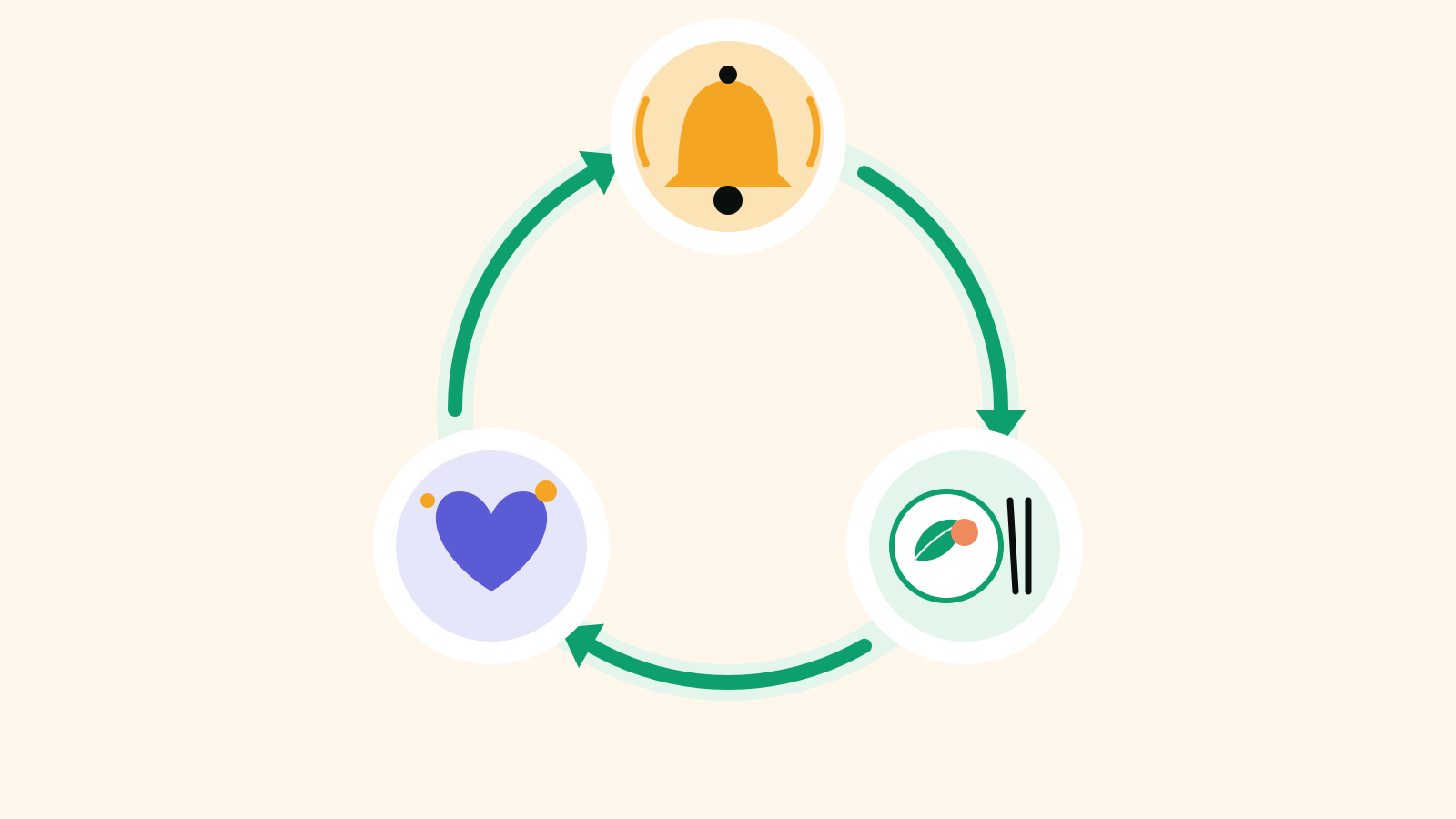
Harvard Health describes habits as a loop with three parts, sometimes called the three Rs: a reminder, a routine and a reward. Once you see the loop, you can work with it instead of fighting it.
The reminder
This is the trigger that starts the habit. It might be a place (the kitchen at 4 pm), a time (right after work), a feeling (stress, boredom), other people (snacks at the office) or something you just did (finishing dinner).
The routine
This is the action itself: making a keto breakfast, taking a walk, opening a bag of crisps. The routine is what most people try to change directly, which is why it so often fails.
The reward
This is why the habit sticks. A walk can bring fresh air and a calmer head. An evening snack can bring comfort. If you remove a routine without giving yourself another reward, the old habit will knock on the door again.
Start smaller than you think
The most common mistake I see is starting with a plan that needs a perfect week. A better approach is to pick one or two habits so small they feel almost silly, and do them every day.
Harvard Health also suggests a quick self-check before you begin: rate how motivated you feel, from 1 to 10, then rate how confident you are that you can do it. If either number is below about 6, make the habit smaller until both feel solid.
Here are some keto-friendly starter habits and what to do once they feel easy.
| Starter habit | Once it feels easy | Why it helps |
|---|---|---|
| A glass of water when you wake up | Add a pinch of salt in the first weeks | A calm start before coffee |
| Same keto breakfast on weekdays | Rotate two or three favourites | One less decision each morning |
| A 10-minute walk after lunch | 20 minutes, or a second walk after dinner | Movement without a gym bag |
| Log dinner in the app | Log every meal | Builds awareness, not judgement |
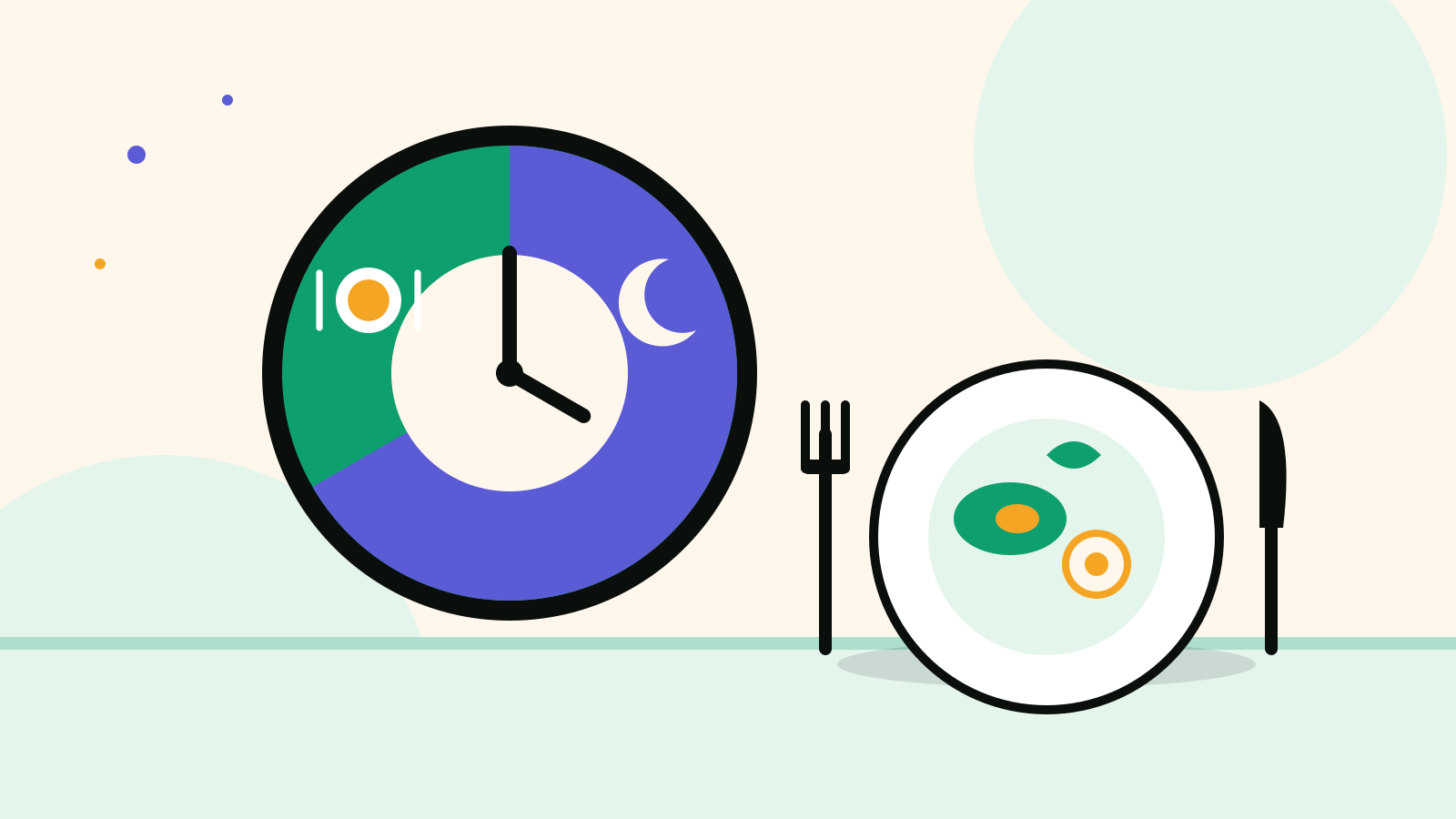
| Kitchen closes at a set time | Add a 12:12 fasting window | Fewer late-night snacks |
| Plan Sunday's shop on Saturday | Plan three dinners for the week | Fewer last-minute takeaways |
If you are curious about fasting windows, our beginner's fasting schedule builds up step by step, from 12:12 to 14:10 before 16:8.
Make the good choice the easy choice
Willpower runs low at the end of a long day. Planning ahead takes the decision out of the moment, which is when most choices go sideways.
Set up your kitchen
- Keep a ready snack at eye level in the fridge: boiled eggs, cheese, cut cucumbers, olives.
- Move the foods you want to eat less often to a high shelf, or simply do not bring them home this week.
- Cook a double batch of one protein on Sunday, so two weekday dinners are half done.
Attach new habits to old ones
Link a new habit to something you already do every day. After I pour my morning coffee, I fill my water bottle. After I park the car, I walk around the block once. The old habit becomes the reminder, and you do not have to remember anything new.
Plan for the hard moments
Write down your two trickiest situations, maybe Friday dinner with family or the 4 pm office slump. Then pick one simple plan for each. Fill your plate with salad and the main dish first. Keep a handful of almonds in your bag. A plan made on a calm morning works better than a decision made when you are hungry.

A sample habit-building week
Here is one gentle way to start. Pick one new habit on Monday, protect it all week, and add a second one only when the first feels easy.
| Day | Main habit | Small extra |
|---|---|---|
| Monday | Water when you wake up | Choose next week's breakfast |
| Tuesday | Water when you wake up | 10-minute walk after lunch |
| Wednesday | Water when you wake up | Log dinner in the app |
| Thursday | Water when you wake up | Cook a double portion of dinner |
| Friday | Water when you wake up | Plan for the family dinner |
| Saturday | Water when you wake up | Write a short shopping list |
| Sunday | Water when you wake up | Look back: what felt easy, what felt hard? |
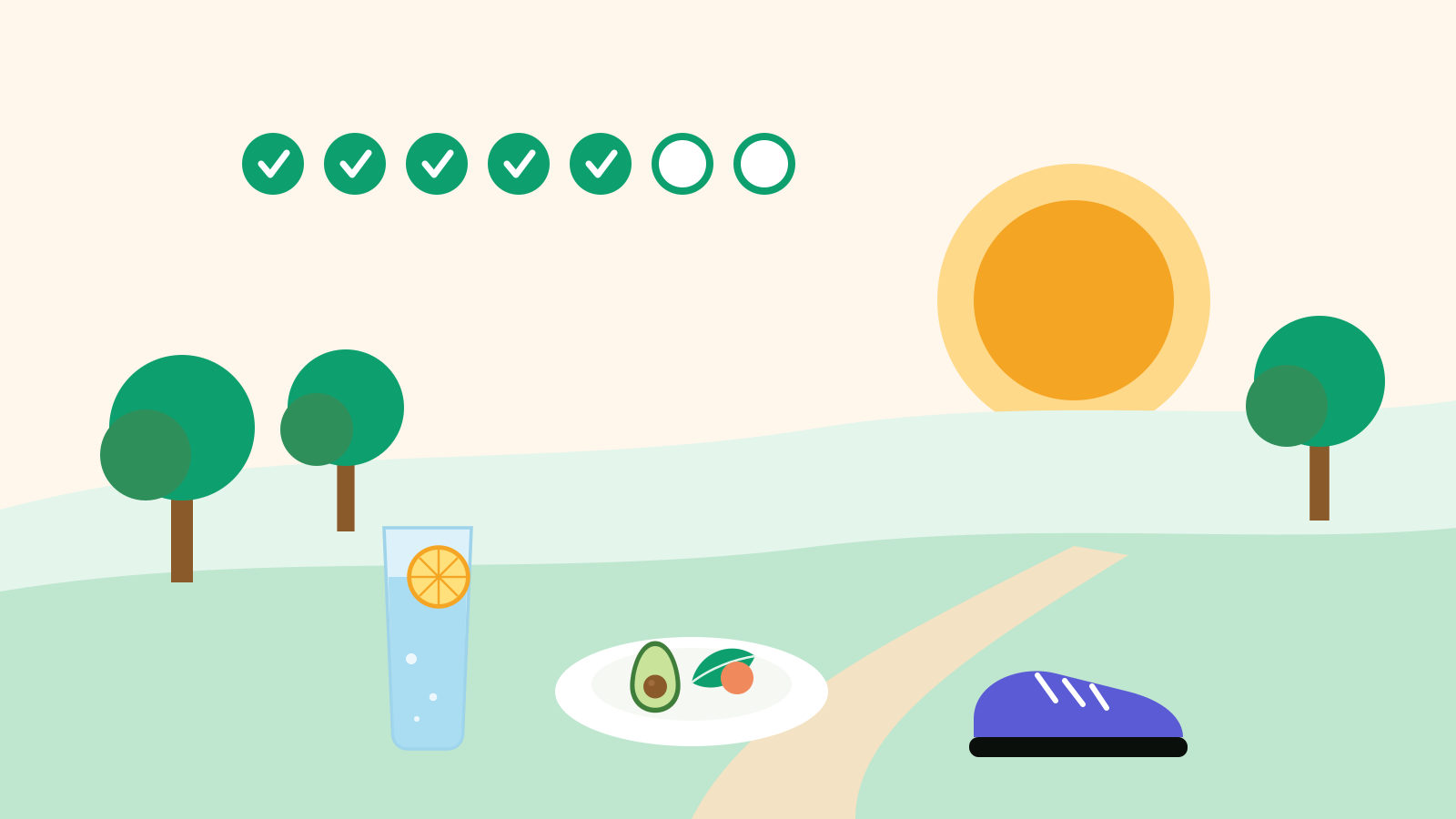
It looks almost too simple, and that is the point. Seven ticks in a row build more confidence than a big plan that falls apart on Wednesday.
Your habit checklist
- Pick one habit. Make it small enough that you could do it on your worst day.
- Choose its reminder. Tie it to a time, a place or something you already do.
- Decide the reward. A tick in the app, a short break, a cup of tea, a message to a friend.
- Track the action. Mark each day you did it. Focus on actions, not only on numbers like weight.
- Plan for one tricky moment. Write down your plan for the hardest situation of your week.
- Review on Sunday. Keep what worked, shrink what did not, and add one small thing if you feel ready.
- Tell someone. A friend or family member who knows your goal can cheer you on, and maybe join you.
When things go off track
There will be a holiday meal, a sick child, a week of travel. That is not failure. It is life. The habit is not broken because you missed a day. It is only broken if you decide it is.
Try the "next meal" rule: whatever happened at lunch, the next meal is a fresh start. No making up for it, no skipping meals to compensate, no harsh words to yourself. Just the next good choice.
It also helps to look after the basics that make every habit easier: enough sleep, regular movement and a way to unwind. If you are still building a movement routine, our beginner's exercise plan starts with short walks.
FAQ
How long does it take to build a habit?
It varies a lot between people and habits. Some feel automatic within a few weeks, others take a few months, so focus on doing it most days rather than counting days.
How many habits should I work on at once?
One or two is a good start. Add another only when the first feels easy, usually after a week or two.
What if I have a bad week?
Treat it as information, not failure. Look at what got in the way, shrink the habit if needed, and start again with the next meal.
Should I track my weight to stay motivated?
Some people find it helpful, others find it stressful. Tracking actions, such as walks taken or meals planned, often keeps motivation steadier because you control them.
Sources
www.health.harvard.eduwww.health.harvard.edu www.health.harvard.eduwww.health.harvard.eduIf you have a medical condition, are pregnant or take medication, ask your doctor before changing your diet, fasting or exercise routine.
This article is general information, not medical advice. Talk to your doctor before changing how you eat or fast, especially if you have a medical condition, are pregnant or take medication.
 By Luna Hayes