How to Break a Fast: A Gentle Guide to Your First Meal Back

You made it to the end of your fasting window. The kettle is on, the fridge is right there, and a new question shows up: what am I actually supposed to eat now?
Good news: the answer is calmer than the internet makes it sound. After a daily fast like 14:10 or 16:8, you don't need a special ritual. A real, balanced plate is all it takes. After a longer fast, the first meal deserves a bit more care, and the longer the fast, the more that care matters.
This guide covers both. You'll find easy keto first meals, a few things worth going easy on, a simple plan for the first hours back, and the signs that mean it's time to stop and check in with a doctor.
Key takeaways
- After a daily fast (12:12 to 16:8), just eat a normal, balanced keto meal: protein, vegetables and some fat you enjoy.
- After about 24 hours, start with a moderate plate and eat slowly. There's no need to make up for missed meals in one sitting.
- Fasts longer than 24 hours belong with a doctor. If you and your doctor plan one, start small and build up over the day.
- Salt, potassium and magnesium matter when you come back to food. Salted broth and leafy greens are an easy start.
- If you feel dizzy, weak or unwell, stop fasting and eat. That's the plan working, not failing.
First, how long was your fast?
How you break a fast depends mostly on how long it lasted. Here's the short version, and the sections below explain each row.
| Fast length | How to break it | Example first meal |
|---|---|---|
| 12 to 16 hours (daily rhythm) | A normal, balanced meal | Shakshuka with a chopped salad |
| About 24 hours | A moderate plate, eaten slowly, then your usual next meal | Eggs, soft white cheese, cucumber, olives and olive oil |
| Longer than 24 hours (with a doctor) | Something small first, then build up over several hours | A mug of salted broth, then eggs or fish with cooked vegetables |
These are gentle starting points, not rules. Your health and how you feel on the day count more than any table.
Breaking a daily fast (12:12 to 16:8)
If you follow a daily rhythm like the one in our step-by-step intermittent fasting guide, breaking the fast is simply your first meal. It doesn't need special rules, just a real plate eaten sitting down:
- Protein first: eggs, cottage cheese, plain Greek yogurt, fish, chicken or tofu.
- Vegetables: a chopped salad with cucumber, tomato and parsley, sautéed greens or roasted zucchini.
- Fat you enjoy: olive oil, tahini, avocado or a few olives.
Shakshuka, an omelette with feta and spinach, or tuna with chopped salad and tahini all work well. For more local ideas, see our guide to Israeli and Mediterranean keto food.
Breaking a 24-hour fast
A full day without food is a bigger ask, and many people notice their stomach feels a little more sensitive afterwards. The aim is simple: a moderate, easy-to-digest meal, eaten slowly.
- Start moderate. A normal-sized plate is fine for many people. What tends to backfire is trying to eat a whole day's food at once.
- Slow down. Put your fork down between bites. Fullness takes a while to register.
- Choose gentle foods. Eggs, soft cheese, yogurt, fish, cooked vegetables and avocado sit well with most people.
- Go back to your rhythm. Have your next meal a few hours later, at your usual time.
Longer fasts: a gentle way back
Fasts longer than 24 hours are a different thing from a daily 16:8, and they're not something to try casually. They're best done with a doctor, who can check your blood tests and keep an eye on you. Our safety page lists who should avoid fasting and which warning signs to watch for.
If you and your doctor have agreed on a longer fast, plan the first meal ahead, so you aren't deciding while very hungry. Here's a calm sequence many people use:
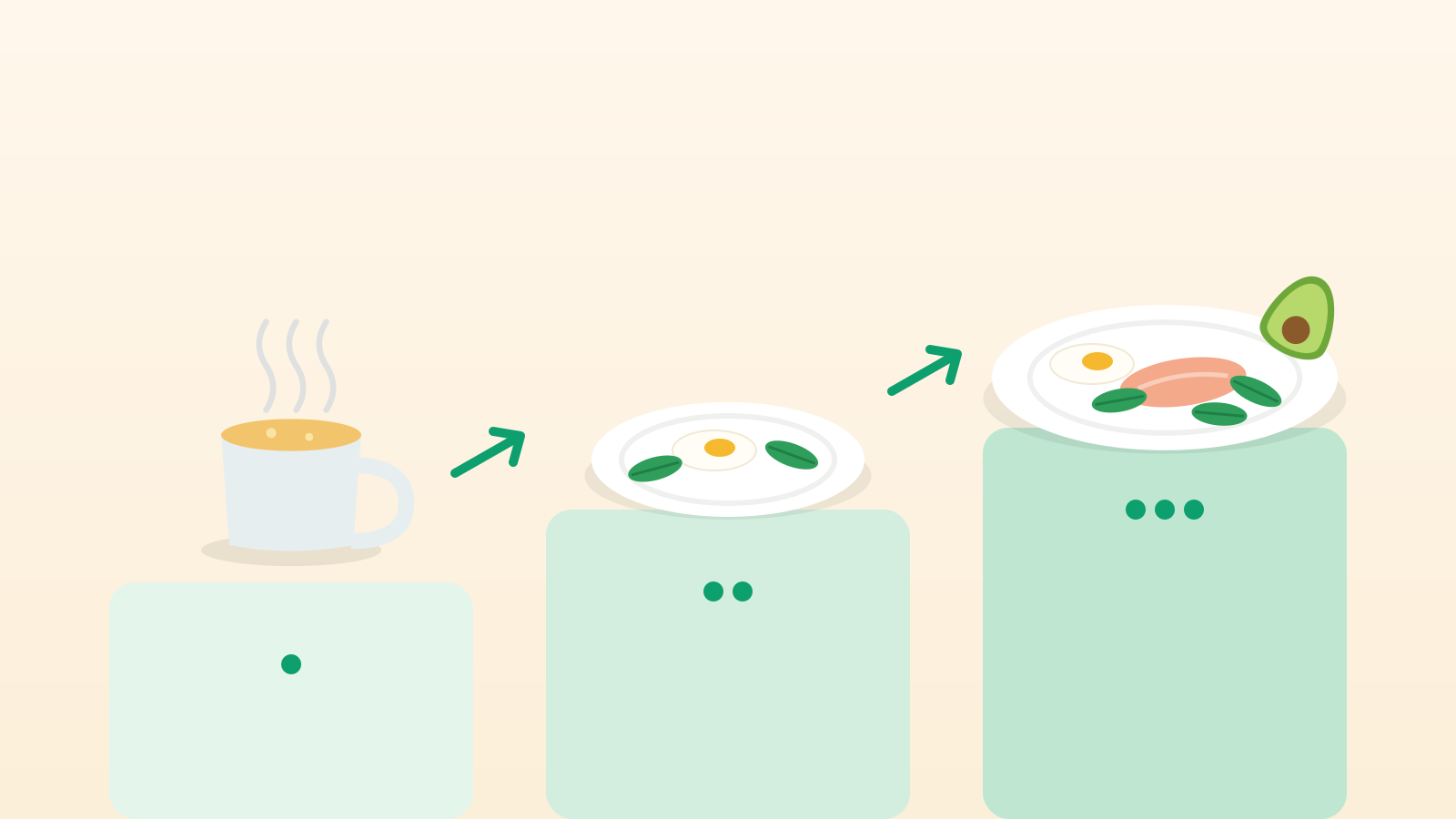
- Start small. A mug of warm, salted broth, or a little plain yogurt or a couple of eggs.
- Pause. Give it 30 to 60 minutes and notice how your stomach feels.
- Have a small, simple meal. Fish or eggs with cooked zucchini or spinach and a little olive oil.
- Build up over the day. Return to normal-sized meals gradually, not all at once.
- Follow your doctor's plan. If they gave you specific refeeding steps, those come first.
A word about refeeding syndrome
You may have read about refeeding syndrome. It's a serious condition in which minerals like phosphorus, potassium and magnesium shift quickly when someone who is undernourished starts eating again. According to Cleveland Clinic, it usually appears within the first five days of refeeding, and risk factors include more than a week of very little food and recent large weight loss. Cleveland Clinic also advises doing prolonged fasts under medical supervision.
You don't need to worry about this after a 16:8 or a 24-hour fast. It is one of the clearest reasons that long fasts belong with a doctor, not with a social media challenge.
Easy keto first meals to keep handy
A few go-to options make the end of a fast feel easy instead of chaotic. All of these are low in net carbs and gentle on most stomachs:
- Eggs, any way you like: soft-boiled, scrambled in olive oil or shakshuka.
- Soft cheeses and yogurt: cottage cheese, labneh or plain Greek yogurt, if they fit your carb budget.
- Fish: baked sea bream, salmon, sardines or tuna with lemon.
- Cooked vegetables: zucchini, spinach, eggplant, mushrooms or cauliflower. Cooked vegetables are often easier on the stomach than a giant raw salad.
- Avocado: soft, filling and rich in potassium.
- Warm broth: comforting, hydrating and a simple way to get some salt.
What to go easy on
Nothing here is forbidden, and nobody is grading you. These are just things many people find uncomfortable right after a fast:
- A very large meal eaten fast. A common reason people feel bloated or unwell.
- Very rich or fried food. A large fatty meal or a big mug of butter coffee can be hard on an empty stomach.
- Sugary food and drinks. Pastries or juice can bring a quick rush, a dip afterwards and a break from ketosis.
- A mountain of raw vegetables or nuts. Lots of fibre at once can lead to gas and discomfort.
- Alcohol. On an empty stomach it can hit faster than you expect.
If you do break a fast with a big plate of pastries, that's fine too. Notice how you feel, drink some water, and return to your usual rhythm at the next meal. There's no need to "make up for it" with another fast.
Electrolytes: the quiet part of breaking a fast
When you aren't eating, you also aren't getting the salt and minerals that usually come with food. That's one reason some people feel lightheaded, headachy or crampy during and after a fast.
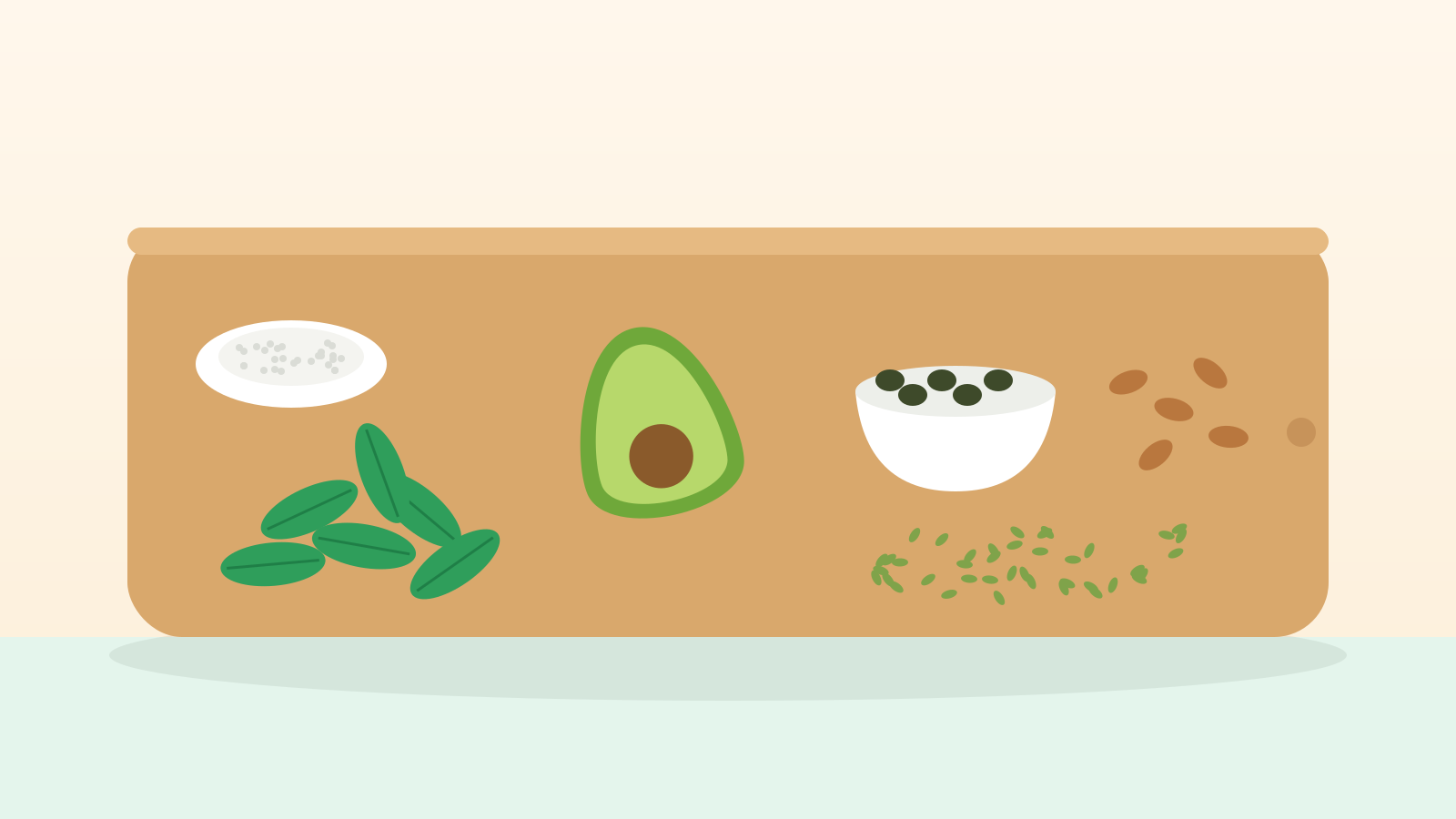
| Mineral | Easy kitchen sources |
|---|---|
| Sodium | Salt your first meal to taste, a cup of salted broth, olives or pickles |
| Potassium | Avocado, spinach and other leafy greens, zucchini, mushrooms, salmon, plain yogurt |
| Magnesium | Pumpkin seeds, almonds, dark leafy greens, mackerel |
Keep drinking water too, especially in hot weather. Our electrolytes guide goes into more detail. If you have high blood pressure, heart or kidney problems, or you've been told to limit salt, talk to your doctor before adding extra salt, and ask before taking any mineral supplement.
Listening to your body
The best guide to breaking a fast isn't a clock. It's how you feel.
- Hungry before the window ends? If it's real hunger and not a passing wave, eat. A shorter fast is still a fast.
- Full after a few bites? Stop there. You can eat again in an hour or two.
- Stomach unsettled? Choose softer, cooked foods and smaller portions for the rest of the day.
- Shaky, dizzy or unwell during a fast? Stop and eat.
It's also worth noticing your feelings around food. If breaking a fast often turns into eating until you're uncomfortable, or fasting starts to feel like a rule you can't break, that isn't a personal failing. It's a sign to slow down and maybe talk to someone. Please talk to your doctor before fasting at all if you have diabetes or take medicine that lowers blood sugar, take medicine that must be taken with food, are pregnant or breastfeeding, have had an eating disorder, have kidney, liver or heart problems, or are under 18.
FAQ
Does it matter what I eat first after 16:8?
Not much. A balanced plate with protein, vegetables and some fat is a great choice. There's no special food that breaks a fast "correctly".
Is broth a good way to break a fast?
Many people find warm, salted broth a gentle first step, especially after a longer fast. It's comforting and brings back some sodium, and a small meal can follow when you feel ready.
Will breaking my fast with carbs ruin it?
No. The fast still happened. Carbs may take you out of ketosis for a while, but you can return to your usual way of eating at the next meal.
I feel bloated after breaking my fast. What can I do?
Next time, try a smaller first meal, eat more slowly and choose cooked vegetables over a big raw salad. If bloating comes with pain, vomiting or anything that worries you, check in with a doctor.
Sources
my.clevelandclinic.orgmy.clevelandclinic.orgThis article is general information, not medical advice. If you have a medical condition, are pregnant or breastfeeding, or take medication, ask your doctor before you fast or change how you eat.
This article is general information, not medical advice. Talk to your doctor before changing how you eat or fast, especially if you have a medical condition, are pregnant or take medication.