Sleep and Intermittent Fasting: How to Make Them Work Together
If you've started intermittent fasting, you've probably noticed that the hours you sleep do a lot of the work. A 16-hour fast sounds long, but around eight of those hours happen while you're in bed. Sleep and fasting are closely linked, and each one can make the other easier or harder.
Some people find that an earlier dinner helps them sleep more soundly. Others lie awake with a rumbling stomach and wonder why fasting felt so easy last week. Both experiences are normal, and small changes to timing often make a real difference.
This guide looks at what we actually know about fasting and sleep, and how to set up your evenings so both feel good. Everyone responds differently, so treat this as a set of experiments, not a rulebook.
Key takeaways
- Sleep counts toward your fasting window, so an earlier dinner often makes a fast feel shorter.
- Research on fasting and sleep quality is still limited, and results are mixed. Your own experience matters most.
- Many sleep experts suggest finishing your last meal about three hours before bed.
- Caffeine late in the day and alcohol in the evening can both disturb sleep.
- If hunger keeps you awake, adjust your window instead of pushing through.
What the research says
Scientists have studied intermittent fasting a lot in recent years, but sleep is a smaller part of that research.
The evidence so far
A 2021 review looked at nine human trials of time-restricted eating and alternate-day fasting. Most of them found little change in sleep quality or sleep length. Some people reported feeling they slept better, but the studies were small and not designed to measure sleep well. The honest summary is that we don't know yet, and more research is needed.
Why timing still matters
Even without firm answers, general sleep advice fits nicely with fasting. Harvard Health suggests eating your evening meal at least three hours before bed, avoiding caffeine after lunch if it affects you, and keeping alcohol in check. Those habits happen to line up with an earlier eating window.
How to line up your eating window with sleep
The easiest fasting schedule is usually one where most of the fasting happens overnight.

An example 16:8 day
| Time | What happens |
|---|---|
| 10:00 | First meal: eggs, vegetables, olive oil |
| 14:00 | Second meal or larger lunch |
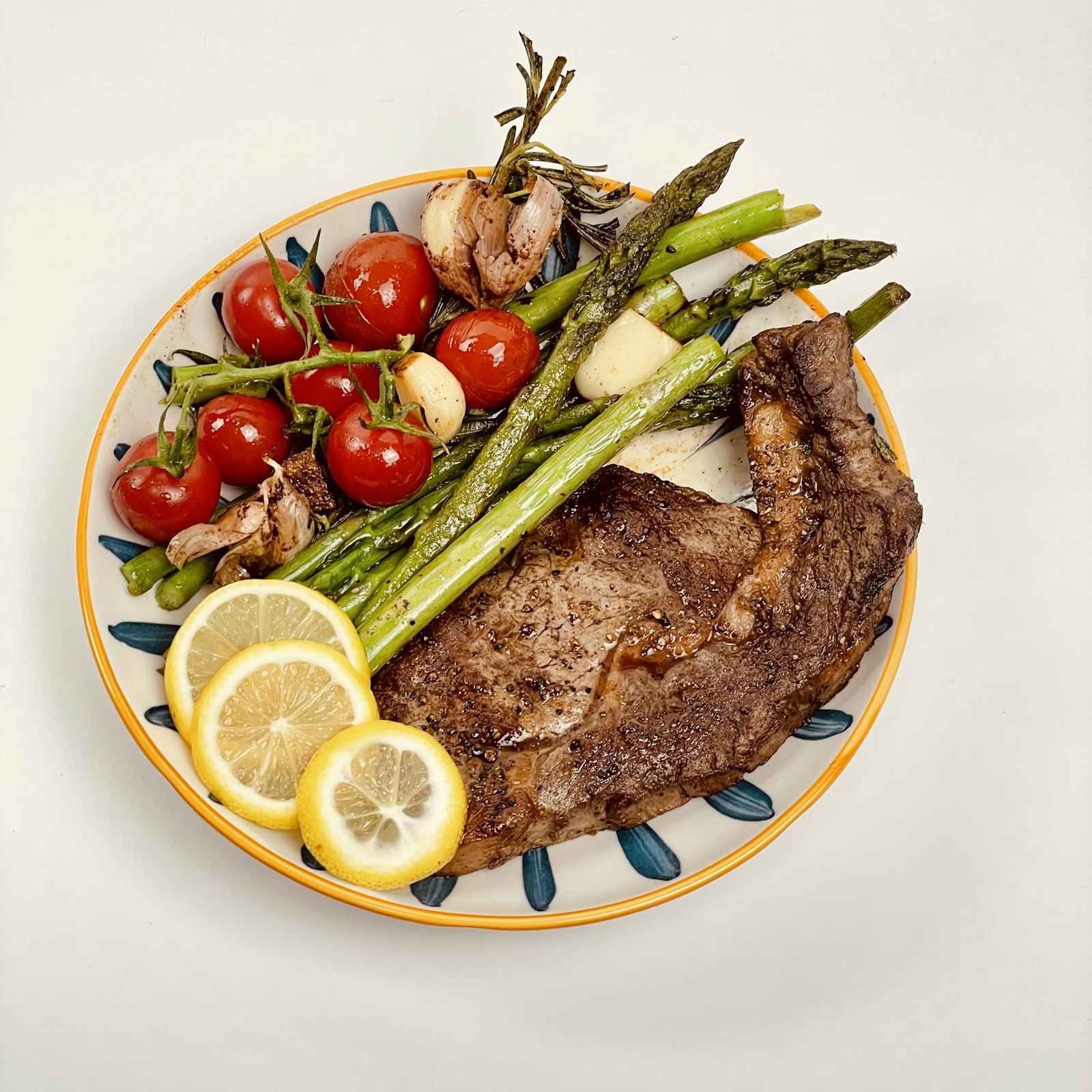
| 18:00 | Last meal: protein and vegetables |
| 18:00-22:30 | Water, herbal tea, winding down |
| 22:30 | Bedtime |
| 22:30-06:30 | Sleep (about 8 hours of your fast) |
| 06:30-10:00 | Water, black coffee or plain tea |
This is only one example. If you get up early or work evenings, move the whole window to suit your life.
Earlier is often easier
Eating later can mean going to bed with a full stomach, which some people find uncomfortable. An earlier last meal gives your body a few hours to settle. It also means you've already done several hours of your fast by the time you fall asleep.
Make the last meal satisfying
A last meal with enough protein, some fat and plenty of vegetables tends to keep you full longer. A very small dinner can leave you hungry at 11 p.m. For ideas, the Mediterranean table has plenty of options, as we explain in our guide to Israeli and Mediterranean keto food.
An evening routine that supports both
Good sleep habits and a steady fasting routine support each other. Here's a simple checklist to try for a week.
- Set your last meal time. Aim to finish about three hours before you plan to sleep.
- Stop caffeine early. If coffee affects your sleep, keep it to the morning or early afternoon.
- Go easy on alcohol. It may feel relaxing, but it can wake you later in the night. It also breaks a fast.
- Drink water through the evening. Sip steadily, and slow down in the last hour so you're not up at night.
- Keep a consistent bedtime. Going to bed and waking at similar times helps your body settle into the routine.
- Dim the lights and screens. Give yourself 30-60 minutes of calm, like reading or a warm shower.
- Keep the bedroom cool and dark. Light-blocking curtains and a cooler room help many people sleep.
- Track how you feel. Note your sleep and hunger in KetoBeast for a week, and look for patterns.
When fasting and sleep don't get along
Sometimes fasting and sleep clash. That doesn't mean you're doing it wrong.
Hungry at bedtime
If your stomach wakes you up, your eating window may be too short or your last meal too light. Try moving dinner a little later, or add more protein and fat to it. A shorter fast, like 14:10, is still a fast.
Waking up at night
Some people notice lighter sleep in the first days of a new routine. For many, it settles within a week or two. If it doesn't, loosen your schedule and see what changes.
Long fasts and sleep
Longer fasts can feel very different from a daily 16:8. If you're thinking about fasting for more than a day, it's worth talking with a health professional first.
Small habits that help
| Habit | Why it can help |
|---|---|
| Finish eating about 3 hours before bed | Gives digestion time to settle |
| Morning daylight | Helps set your body clock |
| Regular wake-up time | Makes fasting and sleep more predictable |
| Water with a pinch of salt in the morning | Many people on keto find it helps them feel steady |
| A short evening walk | A calm way to wind down after dinner |
FAQ
Does sleeping count as fasting?
Yes. If you don't eat or drink anything with calories, the hours you sleep are part of your fast. That's why most schedules place the fast overnight.
Can intermittent fasting improve sleep?
Some people feel they sleep better, but research so far is limited and mixed. Pay attention to your own sleep and adjust if it gets worse.
Is it okay to drink water before bed while fasting?
Yes, water doesn't break a fast. Just slow down in the last hour before bed if you tend to wake up to use the bathroom.
What should I do if I'm too hungry to sleep?
Make your last meal more filling, or move it a little later. If that doesn't help, try a shorter fasting window.
Sources
pmc.ncbi.nlm.nih.govpmc.ncbi.nlm.nih.gov www.health.harvard.eduwww.health.harvard.eduIf you have a medical condition, are pregnant or take medication, talk to your doctor before you start fasting or change the way you eat.
This article is general information, not medical advice. Talk to your doctor before changing how you eat or fast, especially if you have a medical condition, are pregnant or take medication.