Keto Flu: A Gentle Guide to the First Two Weeks


You start keto full of energy. Then, around day three, you wake up with a dull headache, heavy legs and a short fuse. Nothing dramatic, just a general feeling of "off". If that sounds familiar, you have probably met what people call the keto flu.
I want to say this first: you did nothing wrong. Many people feel this dip in the first days of low-carb eating, and for most of them it passes quietly. Your body is learning a new way to fuel itself, and learning takes a little energy.
This guide explains, in plain words, what may be happening, what usually helps, and when it is wiser to slow down or call your doctor.
Key takeaways
- "Keto flu" is an informal name for a group of symptoms that can appear in the first days of keto. It is not a medical diagnosis and it is not a real flu.
- Common signs are headache, tiredness, brain fog, irritability, nausea, muscle cramps and restless sleep.
- For most people it lasts from a few days to about two weeks. It varies a lot from person to person, and some people never feel it.
- Water, enough salt, potassium and magnesium from food, regular meals and rest are the usual first steps.
- A fever, vomiting, fainting, a racing heart or symptoms that keep getting worse are not keto flu. See a doctor.
What keto flu is, and what it is not
The name is catchy, but it is a little misleading. There is no virus, and you are not contagious. Doctors do not use "keto flu" as a formal diagnosis. It is simply the name people gave to the way they feel while the body shifts from running mostly on carbohydrates to running mostly on fat.
Hospital health libraries describe the same pattern: symptoms tend to show up two to seven days after carbs drop, and then fade on their own. Evidence here is limited. Most of what we know comes from people's reports and from clinicians' experience, not from large studies. So take every explanation, including mine, as "likely" and not as "proven".
One thing is clear: a real flu brings fever. Keto flu does not. If you have a fever, a sore throat or a cough, you are probably just sick, and you should treat it that way.
What your body is doing in the first days
Stored carbs run down, and water goes with them
Your body keeps a small reserve of carbohydrate called glycogen, and glycogen is stored together with water. When you eat far fewer carbs, that reserve shrinks and the water leaves with it. That is why many people visit the bathroom more often in the first week.
Salt leaves with the water
When insulin levels are lower, the kidneys tend to let go of more sodium. Less sodium and less fluid can mean headaches, dizziness when you stand up, and tired, crampy muscles. This is the most common explanation for the keto flu, and it is why the first things to try are so simple. Our electrolytes guide goes deeper into sodium, potassium and magnesium.
Your fuel system is switching
It takes time for the body to get good at using fat and ketones for energy. Until it does, you may feel slower than usual, especially during exercise or long, focused work. This usually eases as the days pass.
Habits change too
Sometimes it is not only biology. Less sugar, less snacking, maybe less coffee with something sweet next to it: your routine has changed, and routines have feelings attached. A bit of crankiness is understandable.
Common symptoms and gentle things to try
Use this table as a starting point, not as a diagnosis. Your own experience may be different.
| What you may feel | What may be behind it | A gentle thing to try |
|---|---|---|
| Headache | Less fluid and sodium | A large glass of water and a salty food, such as broth or olives |
| Tiredness, heavy legs | Fuel switch, low sodium | An earlier night, a short walk instead of a hard workout |
| Brain fog | Fuel switch, too little food | A proper meal with protein and fat; do not skip meals this week |
| Muscle cramps | Low magnesium or potassium | Avocado, leafy greens, nuts, seeds, fish |
| Dizziness when standing | Low fluid and sodium | Stand up slowly, drink, add a pinch of salt to food |
| Nausea | Much more fat than before | Smaller meals, add fat gradually |
| Constipation | Less fiber, less fluid | Non-starchy vegetables, water, a little movement |
| Restless sleep | Adjustment, late or heavy dinner | An earlier dinner and a calm evening |
A calm plan for the first two weeks
You do not need special products. You need a few steady habits. Here is the plan I would follow:
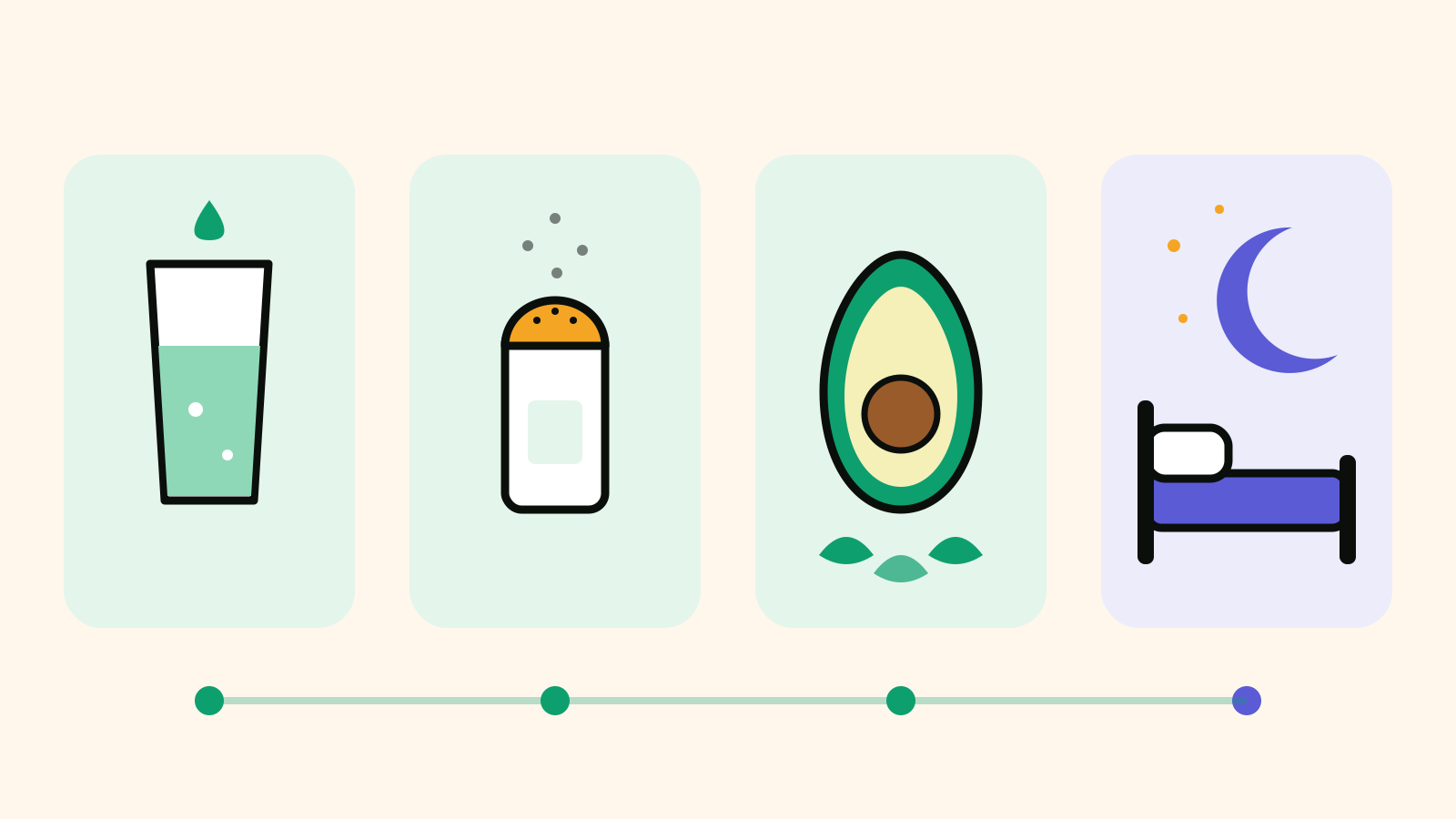
- Drink through the day. Keep water where you can see it. Thirst and pale-yellow urine are good, simple guides. There is no need to force huge amounts.
- Salt your food. Unless your doctor told you to limit salt, season your meals normally or a little more than usual. A cup of broth in the afternoon helps many people.
- Eat your minerals. Each day, include at least two of these: avocado, spinach or other leafy greens, nuts, seeds, tahini, salmon or sardines.
- Eat enough. The first weeks are not the time to cut portions. Have real meals with protein, vegetables and fat. Hunger makes every symptom feel louder.
- Go easy on exercise. Swap intense training for walks, stretching or light cycling. Your strength will come back.
- Protect your sleep. Dim the lights in the evening, keep dinner on the lighter side, and go to bed a little earlier. If you also fast, read how sleep and fasting work together.
- Write down how you feel. One line a day is enough. After a week you will see the trend, and it is usually upward.
What a gentle day can look like
| Time | What to do |
|---|---|
| Morning | A glass of water, then eggs with vegetables and olive oil |
| Midday | A salad with fish or chicken, avocado and seeds |
| Afternoon | A cup of broth, a handful of nuts |
| Evening | A short walk, a lighter dinner, screens off early |
Can you make it milder from the start?
Often, yes. Not everyone needs to jump from a high-carb diet to very low carb overnight.
Step down gradually
Some people feel better when they lower carbs over one or two weeks. Start by dropping sweet drinks and sweets, then bread and pasta, and only then count more carefully. There is no prize for speed.
Start in a quiet week
If you can, do not begin in the same week as a deadline, a move or a big family event. A calm week leaves room for an early night and a slow morning.
Do not stack changes
Starting keto, long fasts and a new training plan on the same day is a lot for one body. Let keto settle first. Fasting can wait a few weeks, and when you add it, begin with short eating windows.
When to slow down, and when to see a doctor
Listening to your body is part of the plan, not a failure of it.
Slow down if the symptoms make daily life hard. You can add some carbs back from vegetables, plain yogurt or a little fruit, and then lower them again more slowly. That is a perfectly good way to do keto.
See a doctor if you have any of these: a fever, repeated vomiting or diarrhea, fainting, chest pain, a racing or irregular heartbeat, confusion, or symptoms that get worse instead of better or continue beyond about two to three weeks. These are not typical of keto flu and deserve a proper check.
FAQ
How long does keto flu last?
For most people it lasts from a few days to about two weeks. Some feel it for longer and some not at all; it varies by person.
Does keto flu mean I am in ketosis?
Not necessarily. Some people reach ketosis with no symptoms, and others feel unwell for different reasons. How you feel is not a reliable test.
Should I buy electrolyte supplements?
Most people can start with water, salt and mineral-rich foods. If you are thinking about supplements, especially potassium or magnesium, ask your doctor or pharmacist first.
Can I exercise during keto flu?
Light movement such as walking is usually fine and can even help. Save hard sessions for when your energy returns.
Is it okay to stop if I feel really unwell?
Yes. Eat, rest, and talk to a doctor if the symptoms are strong. You can always try again later, more gradually.
Sources
www.health.harvard.eduwww.health.harvard.edu health.clevelandclinic.orghealth.clevelandclinic.orgThis article is general information, not medical advice. If you have a medical condition, are pregnant or breastfeeding, or take medication, ask your doctor before changing your diet.
This article is general information, not medical advice. Talk to your doctor before changing how you eat or fast, especially if you have a medical condition, are pregnant or take medication.
 By Nora Bennett
 By Remy Carmel