How Much Water on Keto? A Calm Guide to Staying Hydrated


Somewhere in the first week of keto, many people notice two things. They are visiting the bathroom more often, and they are thirstier than usual. Then the advice starts arriving from every direction: drink three litres, drink four, carry a huge bottle everywhere.
I would like to offer a quieter approach. Your body already has a good system for telling you what it needs. On keto that system is still working. It just helps to understand why your needs shift a little, and which signals are worth noticing.
This guide looks at what changes, how much to drink without counting every sip, and when more water is not the answer.
Key takeaways
- In the first weeks of keto the body lets go of stored water and some sodium, so thirst often goes up for a while.
- There is no single right number. Needs vary with body size, weather, activity and health.
- Thirst and the colour of your urine are simple, useful guides for most healthy adults.
- Water works together with salt and other minerals. More water alone does not always help, and far too much can be harmful.
- Some people need personal advice on fluids, especially with heart or kidney conditions or certain medications.
Why keto changes your water needs
Stored carbs hold water
Your body keeps a reserve of carbohydrate, called glycogen, in the muscles and liver. Glycogen is stored together with water. When you eat very few carbs, that reserve shrinks, and the water that was held with it is released.
This is one reason for the extra bathroom trips in the first days. It is also why the number on the scale can move quickly in the first week. Much of that early change is water, and it tells you little about the weeks ahead.
Sodium leaves with the water
With lower insulin levels, the kidneys tend to let go of more sodium, and water follows it. This is a normal response, not a problem to fix. Still, it means that both fluid and salt can run a little low while you adjust.
That combination is thought to be behind some of the tired, headachy days people call the keto flu. Evidence here is limited and comes mostly from small studies and people's reports. If you are in that stage now, our gentle guide to the first two weeks may help.
It usually settles
For most people this is a phase. After a few weeks the body finds a new balance, and thirst returns to something more familiar. How long that takes varies from person to person.
How much to drink, without counting every sip
Health sources give a wide range rather than one number. Harvard Health notes that most healthy people need roughly four to six cups of plain water a day, about one to one and a half litres, with the rest of their fluid coming from other drinks and from food. Total needs are higher, and they differ a lot between people.
On keto, especially in the first weeks, in hot weather or on active days, you may want more than that. You do not need to force it.
Two simple signals
- Thirst. For most healthy adults, drinking when you are thirsty works well. Older adults sometimes feel thirst less clearly, so a little routine helps.
- Urine colour. Pale yellow, like light straw, usually means you are doing fine. Dark yellow suggests you could drink more. Completely clear all day long may mean you are drinking more than you need.
| What you notice | What it may mean | A gentle response |
|---|---|---|
| Pale yellow urine, rarely thirsty | Probably well hydrated | Keep going as you are |
| Dark urine, dry mouth, headache, tiredness | Possibly too little fluid | A glass of water now, and one with each meal |
| Thirsty even though you drink a lot, cramps, dizziness on standing | Possibly low on salt and minerals, not only water | Salt your food to taste, eat mineral-rich foods |
| Clear urine all day, bloated, bathroom every half hour | Possibly more water than you need | Ease off and drink to thirst |
These are everyday signals, not a diagnosis. If something feels wrong or does not improve, ask a doctor.
Water and salt work together
This is the part that surprises people. If you drink a lot of plain water while your sodium is low, you may feel no better, and sometimes a little worse. Water and minerals travel as a team.
Food-first habits are usually enough for a healthy adult:
- Salt your meals to taste, and do not be afraid of salty foods such as olives, pickles and a cup of broth.
- Eat potassium-rich foods: avocado, leafy greens, zucchini, mushrooms, salmon.
- Include magnesium sources: almonds, pumpkin seeds, tahini, spinach.
Our beginner's guide to electrolytes goes through sodium, potassium and magnesium one by one.
What counts as a drink on keto
Plain water is the base, but it is not the only thing that counts. Here are common choices and roughly what they add in carbs. Values are approximate; check the label of what you buy.
| Drink | Approx. net carbs per cup (240 ml) | Notes |
|---|---|---|
| Water, still or sparkling | 0 g | The everyday base |
| Water with lemon slices, cucumber or mint | Under 1 g | Flavour with almost no carbs |
| Herbal tea, unsweetened | 0 g | Warm and calming in the evening |
| Black coffee or plain tea | 0-1 g | Counts toward fluid; watch caffeine later in the day |
| Clear broth | 0-2 g | Brings sodium along with the water |
| Unsweetened almond milk | 1-2 g | Check the label for added sugar |
| Milk | About 12 g | Adds up quickly |
| Fruit juice | 25 g or more | Usually does not fit a keto day |
Coffee and tea do count toward your fluids. If caffeine disturbs your sleep, switch to herbal tea or water after midday.
A gentle daily rhythm
You do not need an app that beeps every hour. A few anchors through the day are enough.
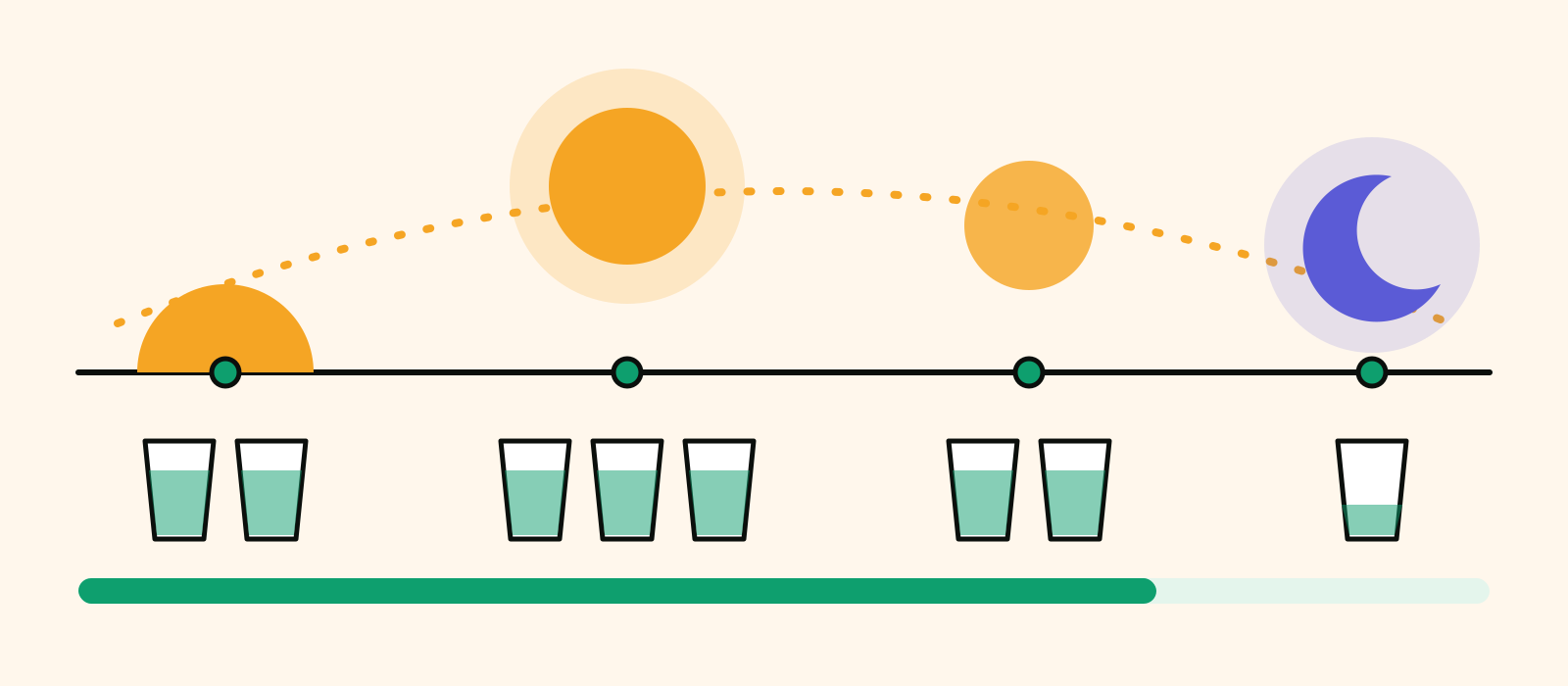
- Start with a glass when you wake up. You have gone a whole night without drinking.
- Drink a glass with each meal. Three meals, three glasses, no thinking required.
- Keep water where you can see it. A bottle on the desk or a jug on the kitchen counter is a quiet reminder.
- Add a glass around movement. One before a walk or workout, and one after. More in hot weather.
- Salt your food to taste. Especially in the first weeks and on sweaty days.
- Slow down in the evening. Drink most of your fluids earlier, so your sleep is not interrupted by bathroom trips.
- Check in once or twice a day. Thirst, energy, urine colour. Adjust gently.
Hot days, exercise and fasting
In summer heat or after a sweaty workout you lose more water and more salt. Drink a little extra, and keep the salt in your food.
If you practise intermittent fasting, water, sparkling water and unsweetened tea are welcome during the fasting hours. Many people simply forget to drink when they are not eating, so the visible bottle helps even more. If you feel dizzy or unwell during a fast, stop, drink, eat something and rest.
When to check with a doctor
Listen to your body, and take these signs seriously:
- Strong thirst that does not ease no matter how much you drink.
- Very frequent urination that continues beyond the first weeks.
- Dizziness, confusion, a racing heart or fainting.
- Vomiting or diarrhoea that makes it hard to keep fluids down.
- Swelling in the legs or sudden changes in weight over a few days.
These are not typical for a normal adjustment to keto. They deserve a proper medical look.
FAQ
Do I need to drink three litres a day on keto?
Not necessarily. Needs vary a lot between people, and for most healthy adults thirst and pale yellow urine are better guides than a fixed number.
Does coffee dehydrate me?
In moderate amounts, coffee and tea still add to your daily fluids. Very large amounts of caffeine can affect sleep and make some people feel jittery, so keep it comfortable.
Why am I still thirsty even though I drink a lot?
In the early weeks this can be linked to sodium and other minerals rather than water alone. Salting your food to taste often helps. If strong thirst continues, see your doctor.
Is sparkling water fine?
Yes. Plain sparkling water hydrates like still water. Choose the unflavoured or unsweetened kind and check the label.
Can I drink too much water?
Yes. Very large amounts in a short time can dilute sodium in the blood, which can be dangerous. Drink steadily through the day rather than forcing down big volumes.
Sources
www.health.harvard.eduwww.health.harvard.eduThis article is general information and not medical advice. If you have a medical condition, are pregnant or breastfeeding, or take medication, ask your doctor before changing your diet or how much you drink.
This article is general information, not medical advice. Talk to your doctor before changing how you eat or fast, especially if you have a medical condition, are pregnant or take medication.
 By Remy Carmel
 By Nora Bennett