Intermittent Fasting for Beginners: From 12:12 to 16:8, One Step at a Time


Most people who try intermittent fasting start the same way. They read about 16:8 on a Sunday night, skip breakfast on Monday, and by eleven in the morning they are staring at the office biscuits and wondering what went wrong.
Nothing went wrong. They just started on step four instead of step one. Fasting is a skill, and like any skill it grows faster when you build it in small, easy stages.
This guide is a ladder. You begin with a rhythm you can almost do already, stay there until it feels boring, and only then move up. No heroics, no long fasts, and no guilt if a day goes sideways.
Key takeaways
- Start with 12:12. Most of it happens while you sleep, so it is the easiest first step.
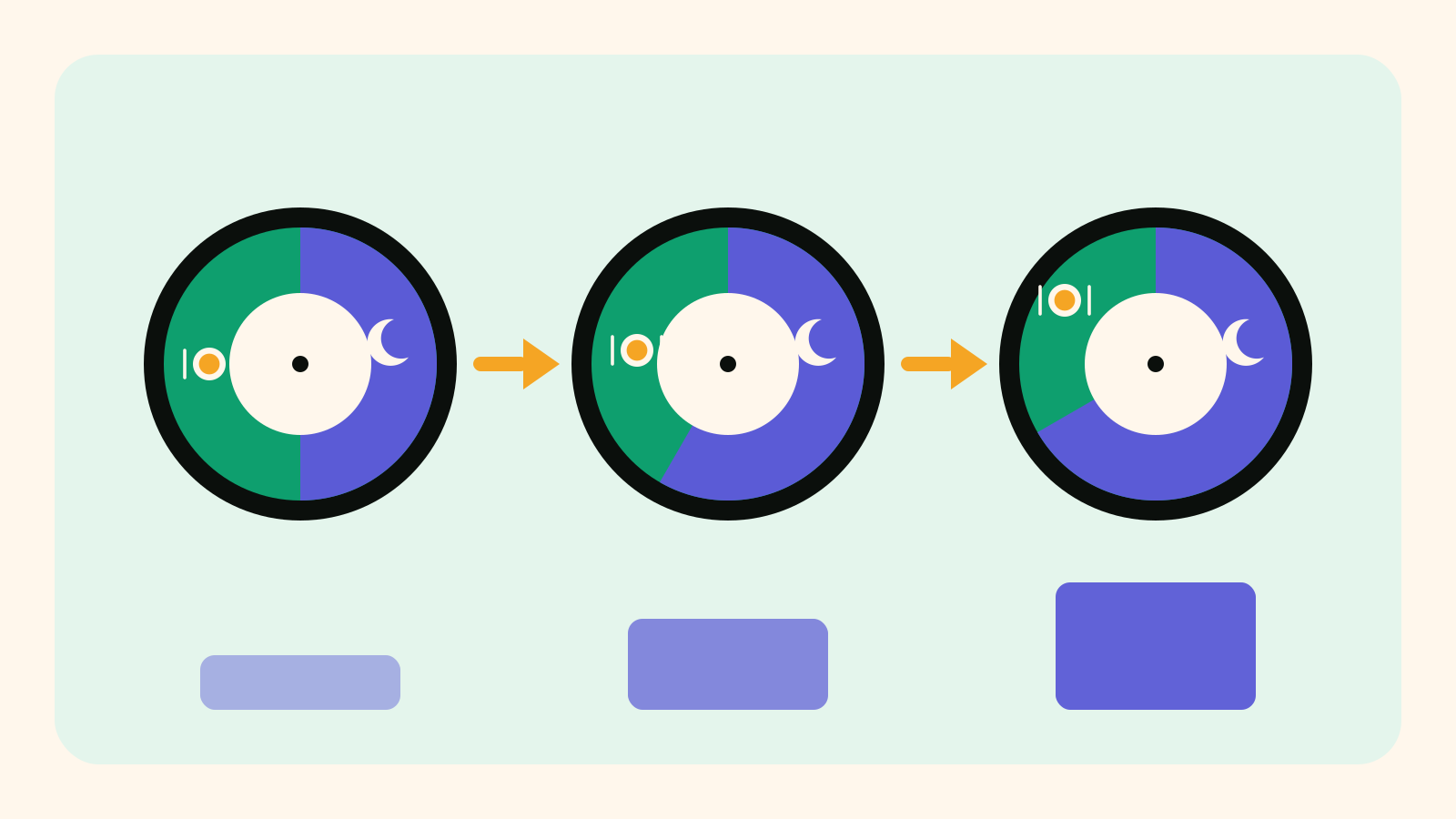
- Move up one small step at a time: 12:12, then 14:10, then 16:8 if it suits you. Stay at least a week or two on each step.
- 14:10 is a perfectly good place to stay. Longer is not automatically better.
- Water, salt in your food and a real meal to open the eating window make fasting hours much calmer.
- Fasting is not right for everyone. If you feel unwell, eat. Some people should talk to a doctor before starting.
What the numbers mean
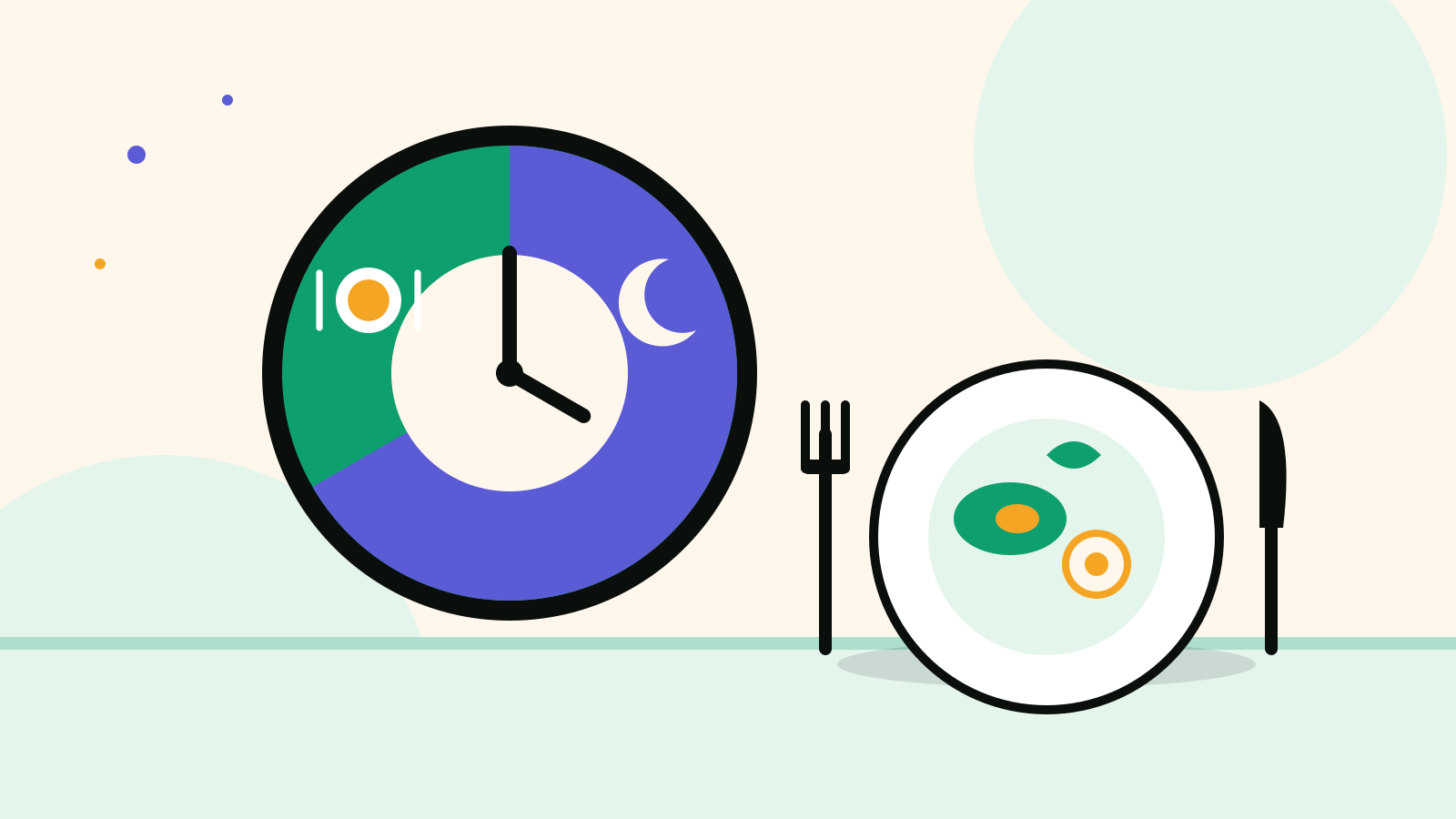
The two numbers always add up to 24. The first is the hours you do not eat. The second is your eating window. So 14:10 means fourteen hours without food and a ten-hour window with your meals inside it.
The good news is that sleep counts. If you finish dinner at 19:30 and eat breakfast at 07:30, you have already done 12:12 without noticing.
| Rhythm | Fasting hours | Eating window | Example day | Who it suits |
|---|---|---|---|---|
| 12:12 | 12 | 12 | 07:30 to 19:30 | Everyone starting out |
| 13:11 | 13 | 11 | 08:30 to 19:30 | A gentle half step |
| 14:10 | 14 | 10 | 09:00 to 19:00 | A comfortable long-term rhythm for many people |
| 16:8 | 16 | 8 | 11:00 to 19:00 | People who already feel fine on 14:10 |
These are examples, not rules. Shift the hours to match your work, your family and your sleep.
What research says, briefly
Harvard Health describes intermittent fasting as a way to extend the time your body spends in a fasted state by shortening the eating window. A review by researchers at the US National Institute on Aging found promising results, mostly from animal studies and short human trials. The same review says long-term effects in people are still not clear.
So treat fasting as a routine that may help you feel more organised around food, not as a promise. Effects are approximate and vary from person to person.
Why keto and fasting get along
Many people find fasting hours easier on keto than they expected. Meals built around protein, fat and vegetables tend to keep you full for longer, and there are fewer of the sharp hunger swings that often follow a sweet breakfast.
That does not mean you should start both on the same day. If you are new to keto, give yourself two or three weeks to settle in first. The first days can bring tiredness and headaches, and our gentle guide to the keto flu explains why. Adding a fast on top of that is a lot to ask of yourself.
One change at a time. Food first, then timing.
The ladder: a six-week plan
Here is the whole plan. Each step lasts two weeks, and you only move up if the current step feels easy on most days.
- Weeks 1 and 2: close the kitchen (12:12). Pick a time when dinner ends, and stop eating after it. Eat breakfast twelve hours later. That is all.
- Check in. If you slept well and mornings felt normal on at least five days out of seven, you are ready. If not, stay another week. Staying is progress too.
- Weeks 3 and 4: push breakfast a little (14:10). Move your first meal later by 30 minutes every two or three days, until you reach fourteen hours.
- Check in again. Are you thinking about food all morning? Getting headaches or feeling irritable? Step back to 13:11 for a while.
- Weeks 5 and 6: try 16:8 on a few days. Start with two or three weekdays, not all seven. Keep 14:10 on the others.
- Choose your home base. After six weeks, pick the rhythm that felt best in real life. For many people that is 14:10 most days. That is a great result.
A sample week on 14:10
| Day | First meal | Last meal ends | Note |
|---|---|---|---|
| Sunday | 09:00 | 19:00 | Standard day |
| Monday | 09:00 | 19:00 | Standard day |
| Tuesday | 09:30 | 19:30 | Late meeting, so the window shifts |
| Wednesday | 09:00 | 19:00 | Standard day |
| Thursday | 10:00 | 20:00 | Dinner with friends |
| Friday | 08:00 | 21:00 | Family dinner. A 12:12 kind of day, and that is fine |
| Saturday | 10:00 | 19:30 | Slow morning |
Notice Friday. A long family meal is not a failure of the plan. It is part of the plan. One flexible day does not undo a week of routine.
What to have during fasting hours
Keep it simple. During the fasting window, stick to drinks without calories:
- Water, still or sparkling.
- Unsweetened herbal tea.
- Black coffee or plain tea, if they sit well with you.

Drink regularly. Many people forget to drink when they are not eating, and thirst can feel a lot like hunger. Our calm guide to hydration has an easy daily rhythm you can borrow.
Hunger comes in waves
This is the most useful thing I can tell you. Morning hunger usually rises, peaks for ten or twenty minutes, and fades. It does not keep climbing all day.
When a wave arrives, drink a glass of water, make a tea, take a short walk, and look again in twenty minutes. If you are still properly hungry, eat. You have lost nothing.
Opening the window well
The first meal sets the tone for the rest of the day. Open the window with a real plate, not with snacks eaten standing up.
- Protein first: eggs, fish, chicken, cottage cheese or tofu.
- Vegetables: a chopped salad, roasted zucchini, greens.
- Fat that you enjoy: olive oil, tahini, avocado, a few olives.
Eat slowly, and eat enough. A shorter window is not a reason to eat less than your body needs. If you find yourself very hungry by evening, your first meal was probably too small.
When it does not go to plan
It will happen. A birthday breakfast, a bad night, a morning when you are simply hungry at eight. Here is the whole recovery plan: eat a good meal, enjoy it, and return to your usual rhythm at the next meal.
Do not "make up for it" with a longer fast the next day. That turns a routine into a punishment, and routines built on punishment do not last.
A few small wins worth noticing along the way:
- You closed the kitchen on time three evenings in a row.
- You noticed the hunger wave pass on its own.
- You moved breakfast by half an hour and it felt normal.
Safety first
I do not recommend long fasts, and this plan stops at 16:8 on purpose. More hours do not mean more benefit, and longer fasts carry more risk. The fasting safety page in the KetoBeast app lists who should avoid fasting and which warning signs to watch for. Please read it before you start.
FAQ
Does coffee break a fast?
Black coffee and plain tea have almost no calories, so most people include them in fasting hours. Milk, sugar and cream do count as food.
Is 16:8 better than 14:10?
Not necessarily. The best rhythm is the one you can keep comfortably for months, and for many people that is 14:10.
Can I fast every day?
A daily 12:12 or 14:10 is a routine many healthy adults keep easily. Stay flexible, and take easier days when you are ill, sleeping badly or very active.
Can I exercise during fasting hours?
A walk or light movement is usually fine. For harder training, see how you feel, and eat beforehand if you need to.
What if I wake up really hungry?
Eat. A shorter fast today is not a step backward, and you can return to your rhythm tomorrow.
Sources
www.health.harvard.eduwww.health.harvard.edu www.nia.nih.govwww.nia.nih.govThis article is general information and not medical advice. If you have a medical condition, are pregnant or breastfeeding, or take medication, ask your doctor before you start fasting or change your diet.
This article is general information, not medical advice. Talk to your doctor before changing how you eat or fast, especially if you have a medical condition, are pregnant or take medication.

 By Luna Hayes