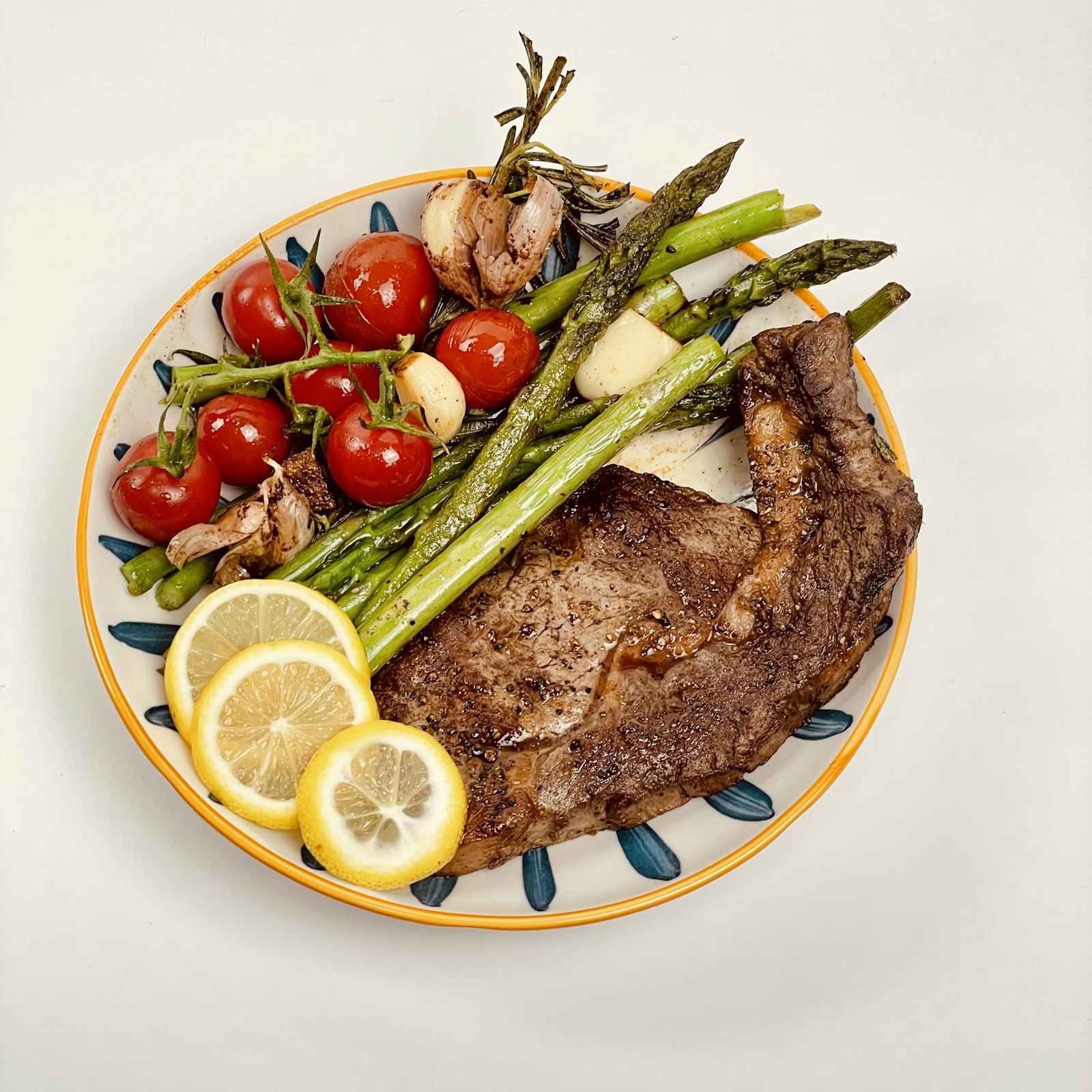
Israeli and Mediterranean Keto: Eating Well From the Local Table
Keto and the Mediterranean table are old friends
People sometimes imagine keto as a plate of bacon and not much else. If you live in Israel or anywhere around the Mediterranean, you have a much richer option right in front of you. Olive oil, fresh vegetables, fish, eggs, cheese, tahini and herbs are everyday foods here, and most of them fit nicely into a low-carb way of eating.
This guide walks through local favorites that work well, the ones to enjoy with a bit more thought, and a few easy meal ideas.
Foods that fit naturally
Many staples of Israeli and Mediterranean kitchens are low in carbs and full of flavor. Some easy wins:
- Olive oil for cooking, drizzling and dressing salads
- Chopped vegetable salad with cucumber, tomato, onion, parsley and lemon
- Eggs, whether boiled, scrambled or in shakshuka
- Fish and seafood, grilled or baked with lemon and garlic
- Soft white cheese, feta, labneh and other cheeses
- Olives, pickled vegetables and roasted peppers
- Eggplant, zucchini, cauliflower and cabbage
- Fresh herbs such as parsley, cilantro, mint and dill
These foods make it easy to build meals that feel generous and familiar, not like a diet.
Tahini, the quiet hero
Raw tahini made from ground sesame is a great keto companion. It is rich in fat, fairly low in net carbs, and it turns almost anything into a meal. Mix it with lemon juice, water, garlic and salt, and you have a sauce for vegetables, fish, meat or eggs.
A few ideas:
- Drizzle it over roasted cauliflower
- Spoon it next to grilled chicken or kebab
- Stir it into a salad dressing with olive oil and lemon
- Serve it with sliced cucumber and pepper as a dip
As with any calorie-dense food, portions still matter if you are tracking your intake.
Foods to enjoy with a little more thought
Some beloved local foods are higher in carbohydrates. That does not make them off-limits forever, and there is nothing wrong with loving them. It just helps to know where they stand so you can plan.
- Hummus: chickpeas contain a fair amount of carbs, so a small spoonful is easier to fit than a full plate
- Pita, laffa and other breads: these are mostly carbohydrate
- Rice, bulgur and couscous: common side dishes that add up quickly
- Dates, figs and many fresh fruits: naturally sweet and higher in sugar
- Sweet tahini treats and pastries
Carb counts vary by recipe and portion, so any number you see is approximate. Checking the nutrition label on packaged foods, and weighing a few portions at home, can help you learn what fits your goals.
Eating out, the local way
Israeli restaurants and street food can be surprisingly keto-friendly if you know what to ask for. A few simple swaps:
- Order shawarma or kebab "on a plate" instead of in bread, with salads on the side
- At a grill restaurant, fill up on the many small salads, and go easy on the fried ones
- Ask for extra tahini and vegetables instead of fries or rice
- At breakfast places, eggs, cheeses, salad and olive oil make a full meal without the bread basket
Most places are happy to adjust your plate. A friendly request usually goes a long way.
A sample day of Mediterranean keto
Here is an example day, just to spark ideas:
- Breakfast: shakshuka with a spoon of labneh and fresh herbs
- Lunch: chopped salad with olive oil and lemon, tuna or sardines, and a few olives
- Snack: cucumber and pepper sticks with tahini
- Dinner: baked sea bream with garlic and lemon, roasted eggplant and zucchini, and a green salad
Every body is different, so use this as inspiration, not a rulebook. Adjust portions to your hunger and your goals.
Tips for shopping at the market
The open-air market can be a keto shopper's playground. To make the most of it:
- Start with the vegetable stalls and fill most of your bag there
- Pick up fresh fish or meat for the next day or two
- Visit the spice stall for za'atar, sumac, cumin and paprika to keep meals exciting
- Choose olives and pickles, and check the ingredients if any sugar is added
- Buy fruit in small amounts, choosing berries when you can find them
Shopping this way keeps meals simple, fresh and satisfying.
The bottom line
You do not need imported specialty foods to eat keto in Israel. Olive oil, vegetables, eggs, fish, cheese and tahini give you a wide, tasty base, and small tweaks let you enjoy restaurants and family meals too. Results and carb tolerance vary by person, so find the version that feels good for you.
If you have a medical condition, are pregnant, or take medication, please ask your doctor before making changes.
This article is general information, not medical advice. Talk to your doctor before changing how you eat or fast, especially if you have a medical condition, are pregnant or take medication.