Keto Meal Prep for Beginners: A Relaxed Guide to a Ready Week
Some weeks, the hardest part of keto isn't the food. It's the moment at 7 p.m. when you're tired, hungry and staring into a fridge that has nothing ready. That's usually when the toast, the takeaway or the handful of crackers wins.
Meal prep is the quiet fix for that moment. You spend an hour or two on one day, and the rest of the week gets easier. You don't need matching containers or a perfect plan. You need a few cooked proteins, some washed vegetables and a sauce or two you actually like.
This guide walks you through a relaxed, realistic way to prep keto meals, even if you've never done it before. Start small, keep it simple and adjust as you learn what your week really looks like.
Key takeaways
- Prep components, not full meals: a protein, a vegetable and a fat you can mix in different ways.
- Start with 2-3 prepped meals a week, not a full week. Build from there.
- Most cooked leftovers keep about 3-4 days in the fridge. Freeze anything you won't eat by then.
- A simple plate guide helps: roughly half vegetables, a palm-sized protein, and a healthy fat.
- Log your prepped meals once in KetoBeast and reuse them, so tracking takes seconds.
Why meal prep works so well on keto
Keto asks you to change a lot of habits at once. Bread, pasta, rice and most snacks are suddenly off the table. When you're busy, the easiest options around you are often high in carbs. Having food ready removes that pressure.
Fewer decisions, less stress
Every "what should I eat?" moment is a small decision. Prep takes most of those away. When lunch is already in a container, you just eat it and get on with your day.
Easier tracking
When you cook in batches, you know exactly what went into each portion. That makes tracking net carbs far easier than guessing at a restaurant or café.
Saving time and money
Buying in bulk and cooking once usually costs less than several last-minute meals. It also means less food goes to waste, because you plan how to use what you buy.
Build your week from components
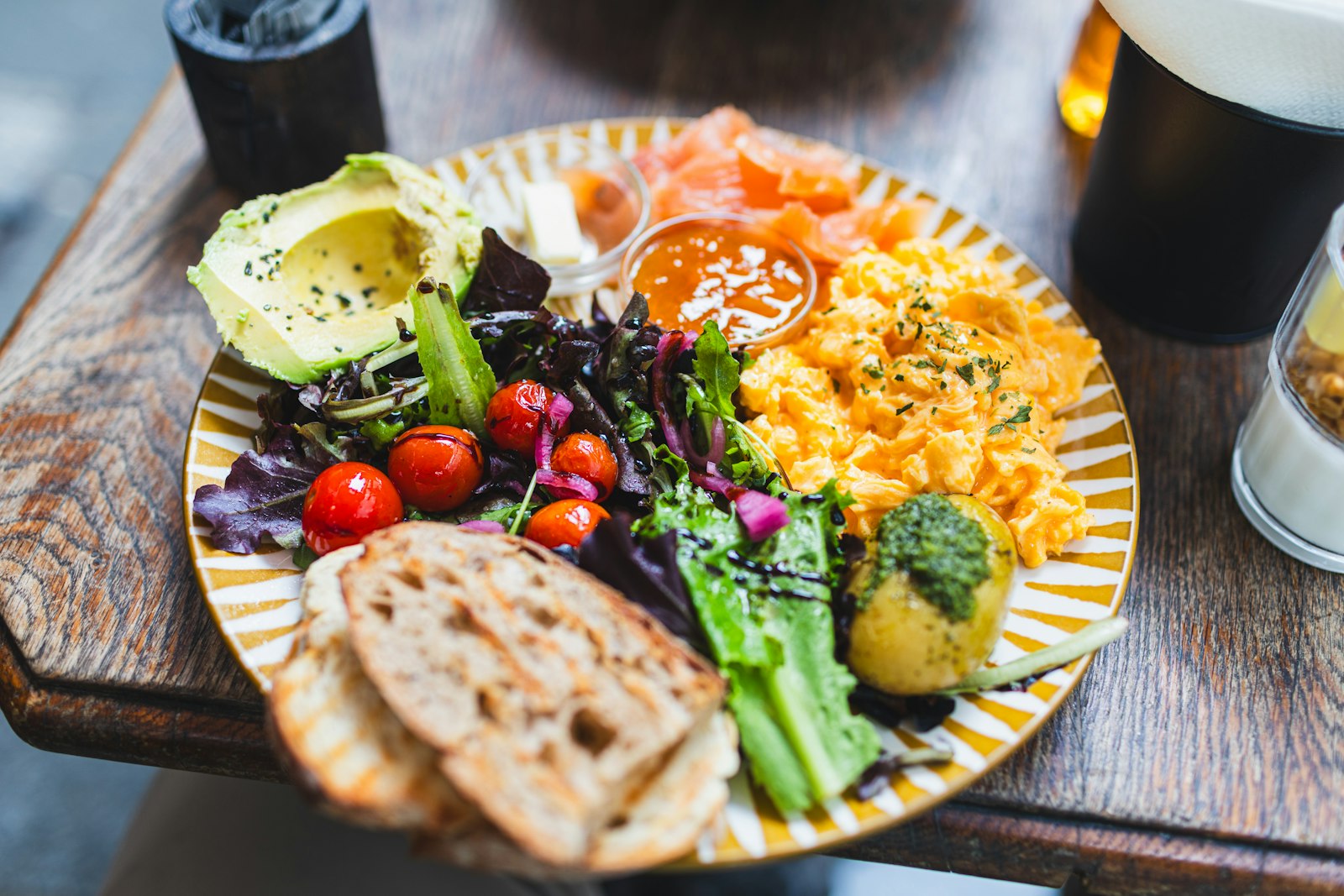
The most flexible way to prep is to cook building blocks rather than seven identical meals. Eating the same box of chicken and broccoli five days in a row gets boring fast. Components let you mix and match.
Proteins
Pick two for the week. Good options: chicken thighs, a tray of meatballs, hard-boiled eggs, baked salmon, slow-cooked beef or a big frittata. Chicken thighs and beef stay juicy when reheated. Fish is nicest in the first two days.
Vegetables
Roast one tray and keep one raw. Broccoli, cauliflower, zucchini, green beans and peppers roast well. Cucumbers, lettuce, cherry tomatoes and radishes stay crisp for snacking and salads.
Fats and sauces
This is where the flavour lives. Make a jar of tahini sauce, a garlic-lemon olive oil dressing or a green herb sauce. Keep sauces in small separate containers so your vegetables don't go soggy.
A rough plate guide
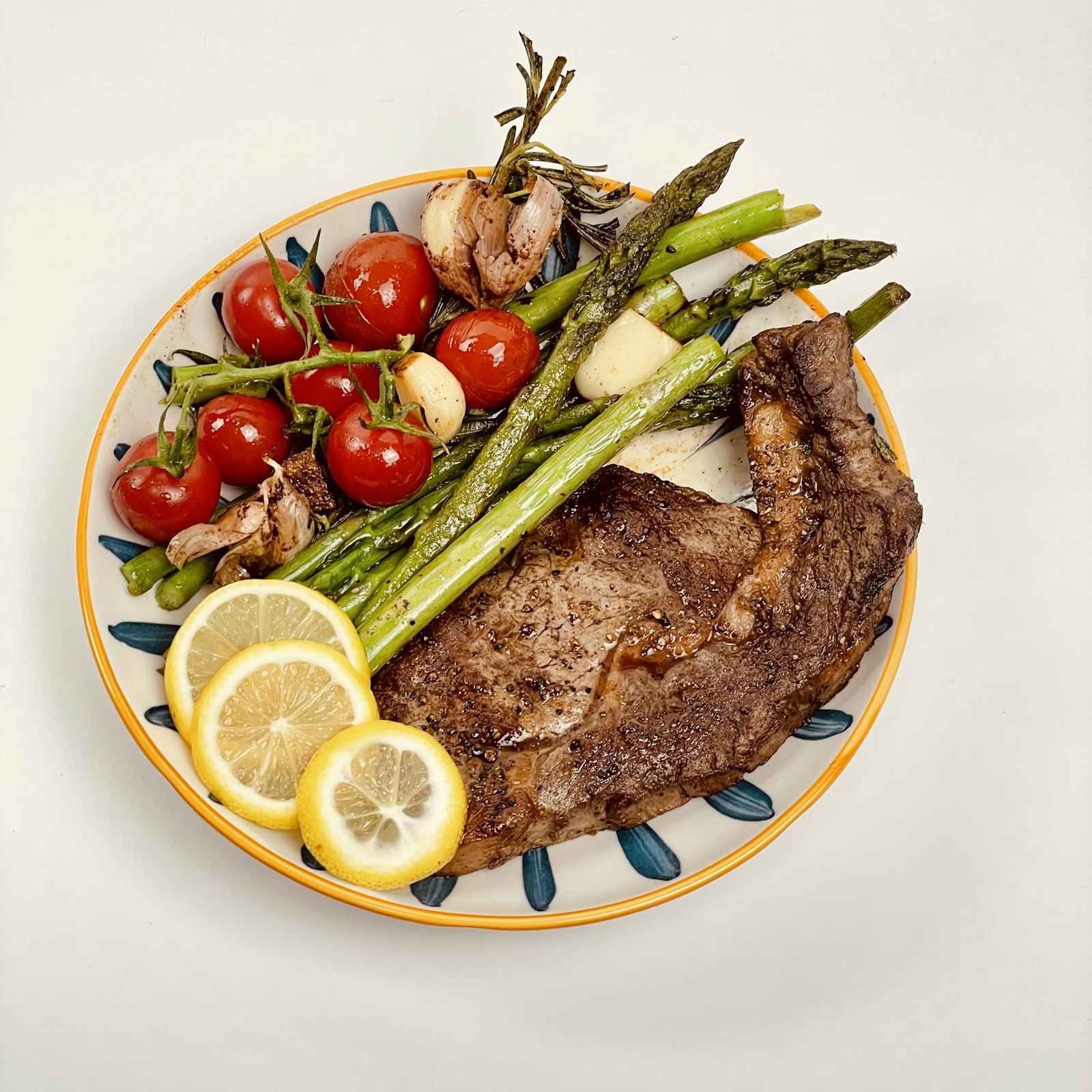
Aim for about half the plate low-carb vegetables, a palm-sized portion of protein, and a spoon or two of fat. It's a starting point, not a rule. Your own needs may differ.
| Component | Example | Approx. net carbs |
|---|---|---|
| Chicken thighs, cooked | 150 g | 0 g |
| Baked salmon | 150 g | 0 g |
| Eggs, hard-boiled | 2 large | about 1 g |
| Roasted broccoli | 100 g | about 4 g |
| Roasted cauliflower | 100 g | about 3 g |
| Zucchini, sautéed | 100 g | about 2-3 g |
| Avocado | half (about 70 g) | about 1-2 g |
| Tahini sauce | 2 tbsp | about 2 g |
Values are approximate and vary by brand, size and cooking method. Check your own labels and log what you actually eat.
Your first prep session: a step-by-step plan
Here's a simple 90-minute session for your first try. It makes enough for about three lunches and a few snacks.
- Plan three meals. Write down which protein and vegetable go together. Keep it short.
- Shop with a list. Buy only what's on it. Rotisserie chicken or frozen vegetables are fine shortcuts.
- Start the oven first. Put chicken thighs and a tray of vegetables in to roast at around 200°C.
- Boil eggs while the oven works. Cool them in cold water and keep them in their shells.
- Make one sauce. Tahini with lemon and garlic, or olive oil with herbs, takes five minutes.
- Wash and cut raw vegetables. Store them in a container lined with a paper towel.
- Cool, then pack. Let hot food cool briefly before it goes into the fridge. Label each box with the day you cooked it.
- Log it once. Add each prepped meal to KetoBeast as a saved meal, so you can log it with one tap later.
Keeping prepped food fresh and safe
Food safety matters most when you cook ahead. A few basic habits cover most of it.
How long things keep
Most cooked leftovers stay good for about 3 to 4 days in the fridge. If you won't eat something by then, freeze it the same day you cook it. Frozen portions usually keep their quality for a few months.
Cool and store well
Don't leave cooked food out at room temperature for more than about two hours. Use sealed containers to keep food fresh and stop smells mixing. Glass containers reheat well and don't stain.
Reheat properly
Reheat until the food is steaming hot all the way through. Stir halfway so there are no cold spots. If something looks or smells off, throw it out.
Keeping it interesting all week
The same meal five days in a row is the fastest way to give up on prep. Small changes keep things fresh.
Change the sauce
The same chicken tastes completely different with tahini one day and a green herb sauce the next. Two sauces can give you four different meals.
Use local flavours
Mediterranean food is naturally full of keto-friendly options: grilled meats, tahini, olive oil, big chopped salads and roasted vegetables. For more ideas, see our guide to eating keto from the Israeli and Mediterranean table.
Add one new recipe a week
Keep most of your prep familiar, and try one new dish each week. It stretches your cooking without making the session stressful.
A sample prepped day
| Meal | What's in the box |
|---|---|
| Breakfast | 2 hard-boiled eggs, cucumber, a few olives |
| Lunch | Chicken thighs, roasted broccoli and cauliflower, tahini sauce |
| Snack | Cherry tomatoes and a small piece of cheese |
| Dinner | Baked salmon, sautéed zucchini, half an avocado |
FAQ
How many days ahead can I meal prep on keto?
Most cooked dishes keep about 3 to 4 days in the fridge. Many people prep twice a week, for example on Sunday and Wednesday, so food stays fresh.
Can I freeze keto meals?
Yes. Meatballs, stews, cooked chicken and frittatas freeze well. Raw salad vegetables and dishes with a lot of mayonnaise don't freeze well.
Do I need special containers?
No. Any clean, sealed container works. Glass is easy to reheat and clean, and small jars are handy for sauces.
What if I get bored of my prepped food?
Prep components instead of full meals and rotate your sauces. Adding one new recipe each week also helps a lot.
Sources
health.clevelandclinic.orghealth.clevelandclinic.org health.clevelandclinic.orghealth.clevelandclinic.orgIf you have a medical condition, are pregnant or take medication, talk to your doctor before changing the way you eat.
This article is general information, not medical advice. Talk to your doctor before changing how you eat or fast, especially if you have a medical condition, are pregnant or take medication.